• April 18, 2026
  • 30 Degree
  • New Yourk
#Fashion News #China News #Uniqlo #Japan

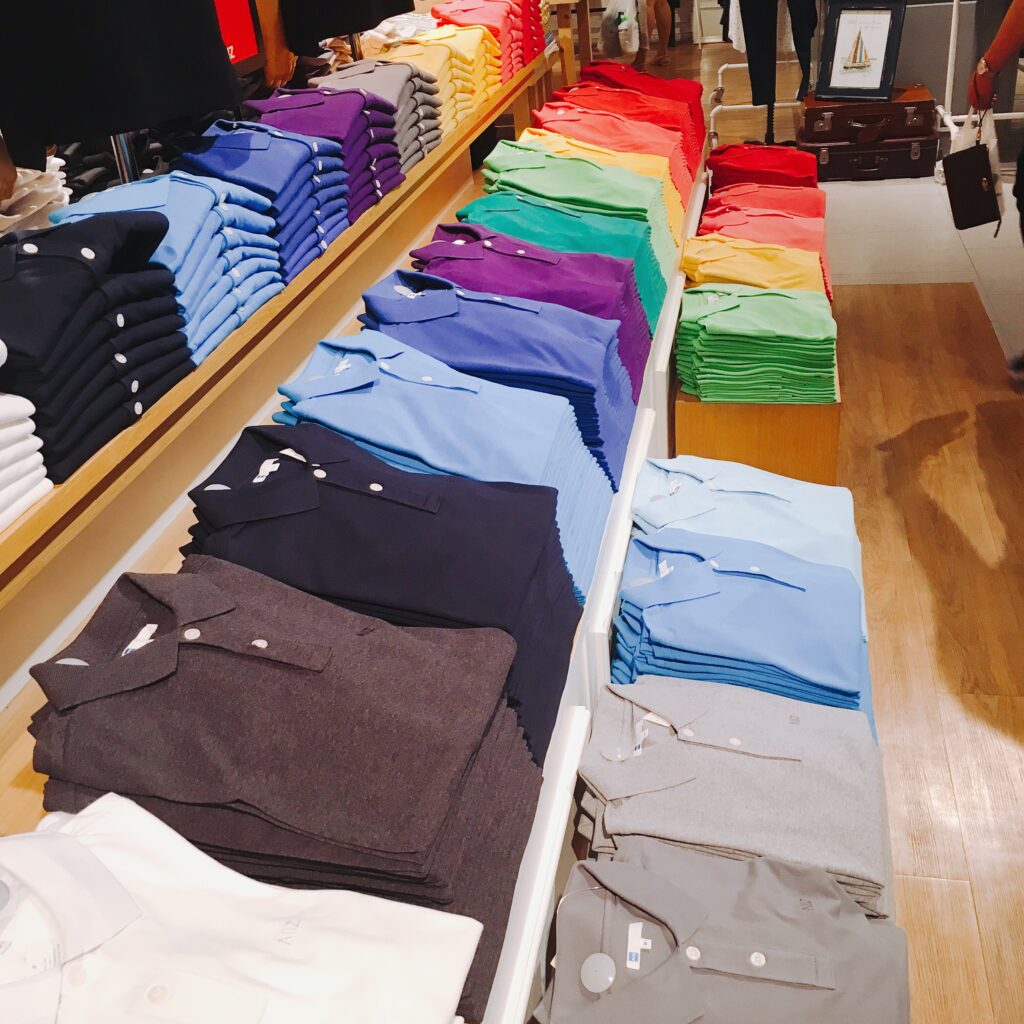
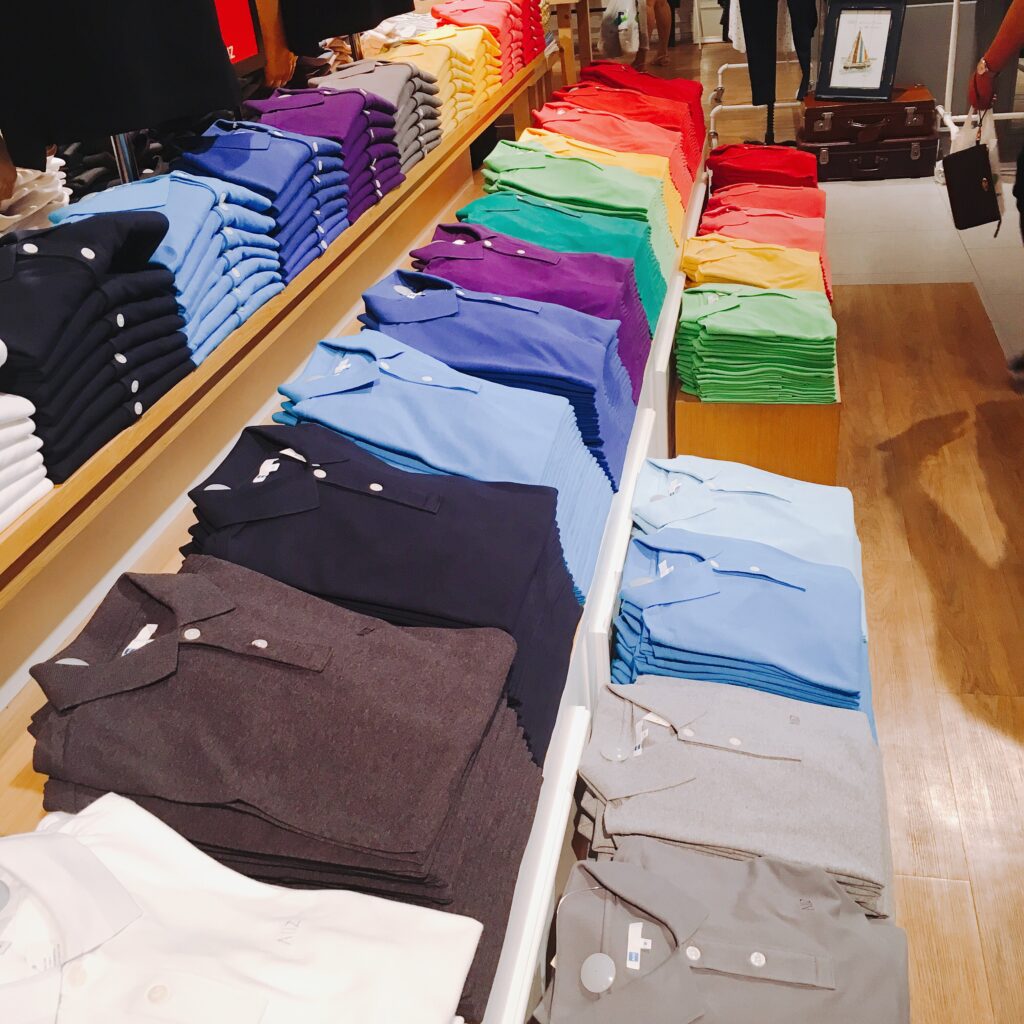
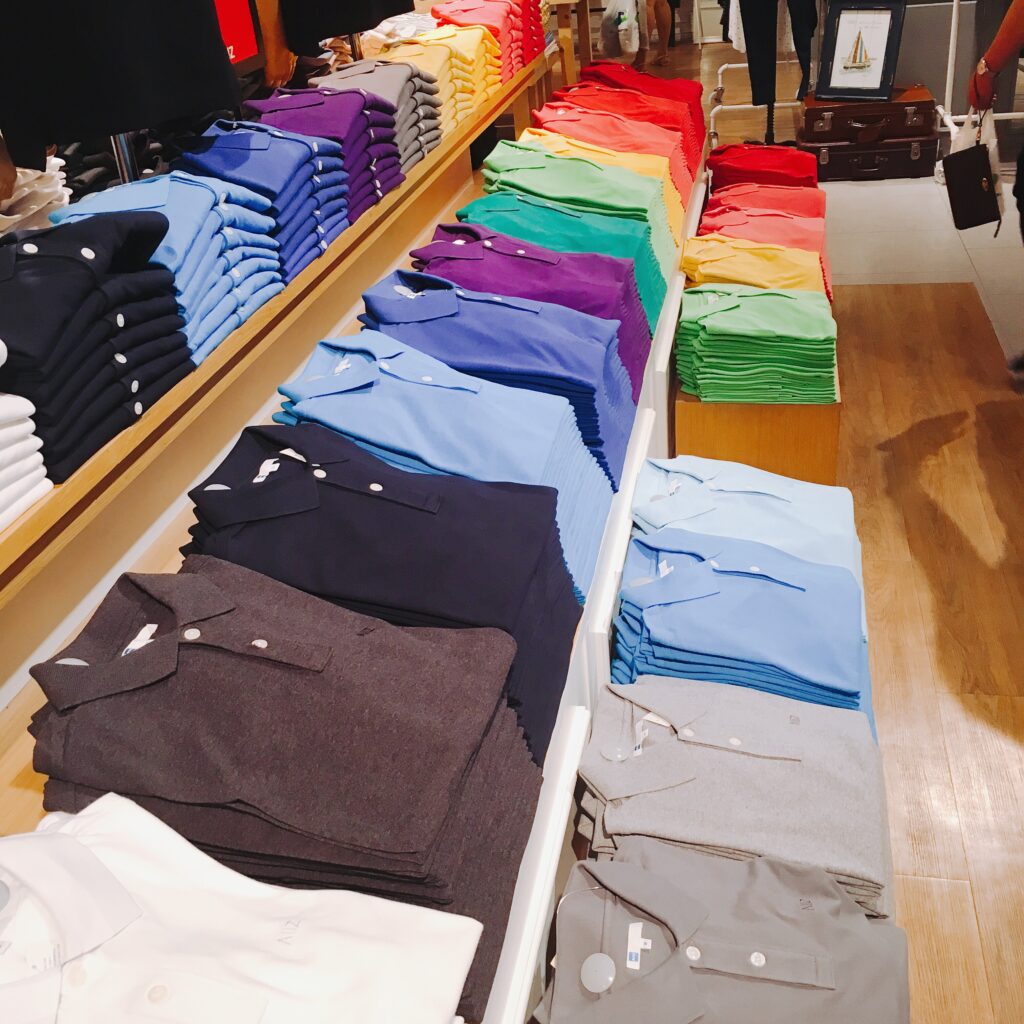
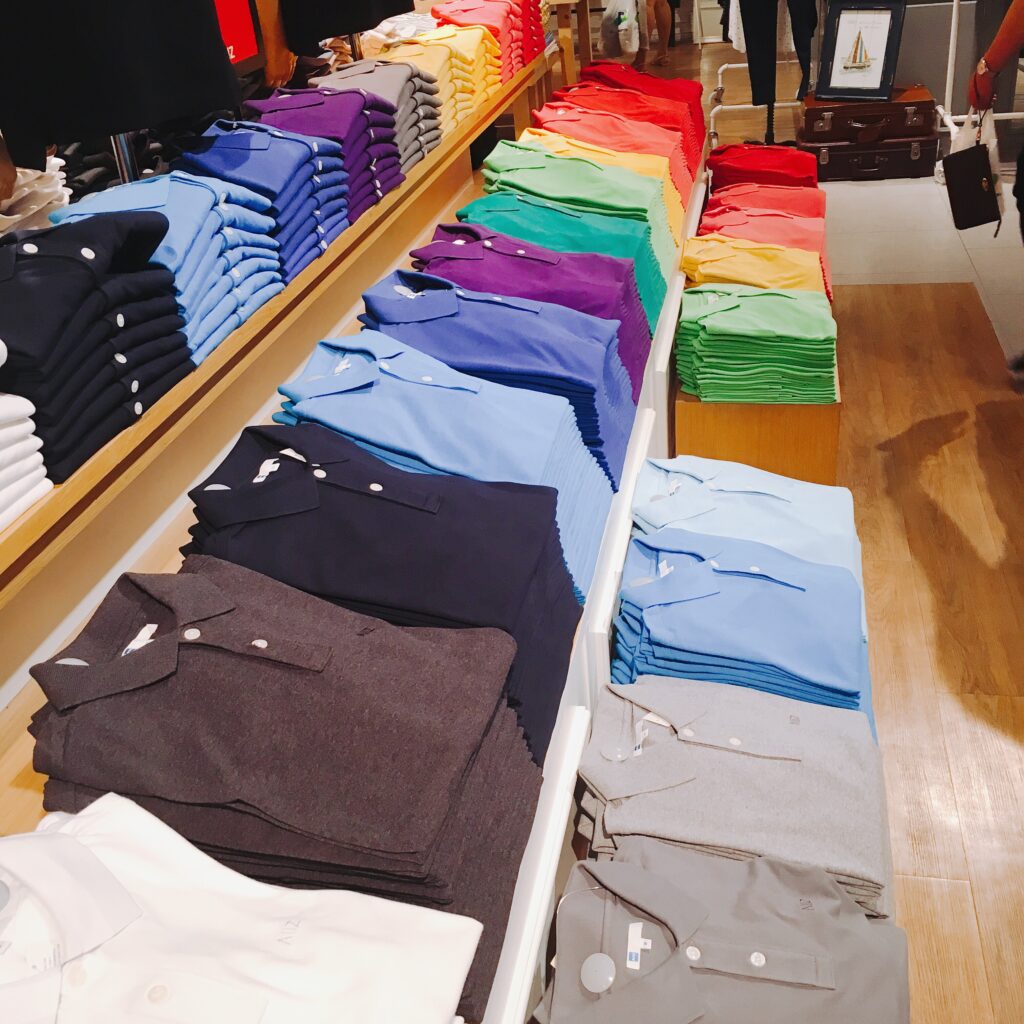
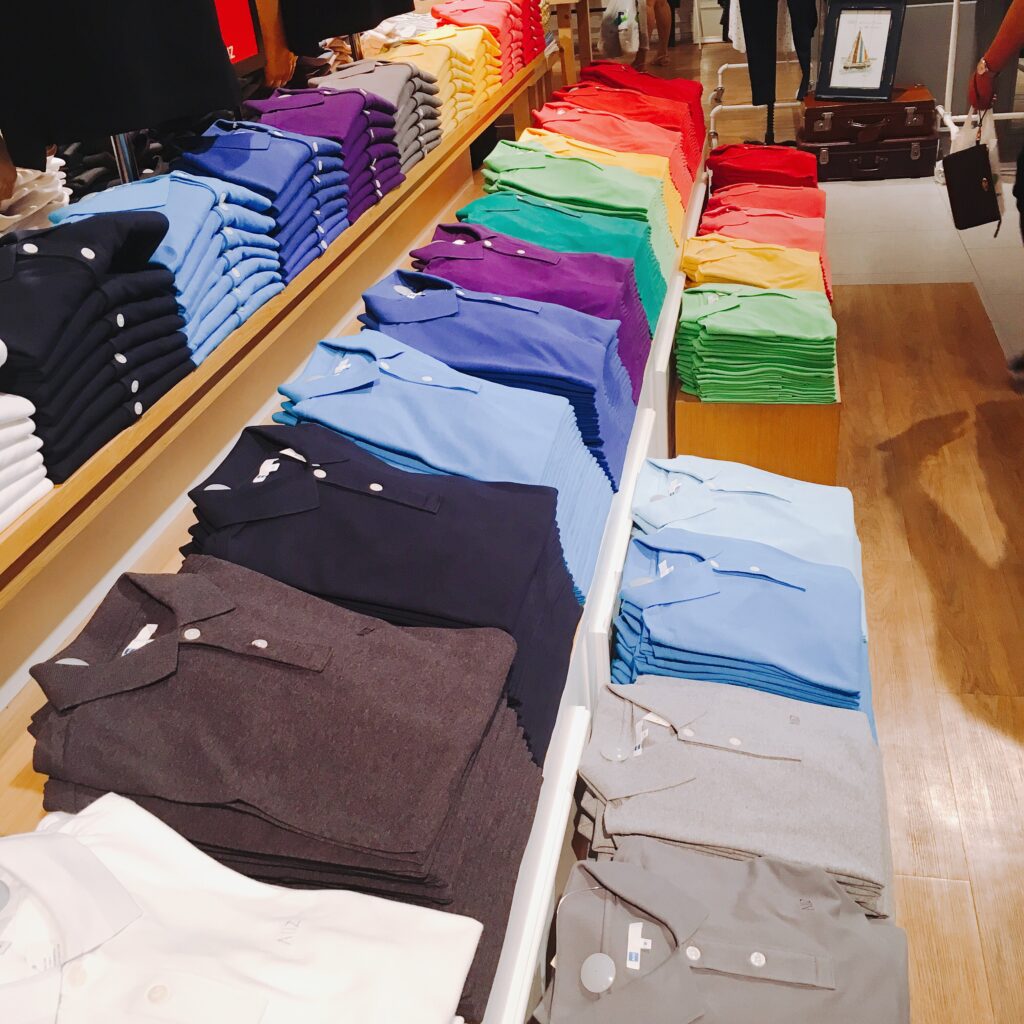
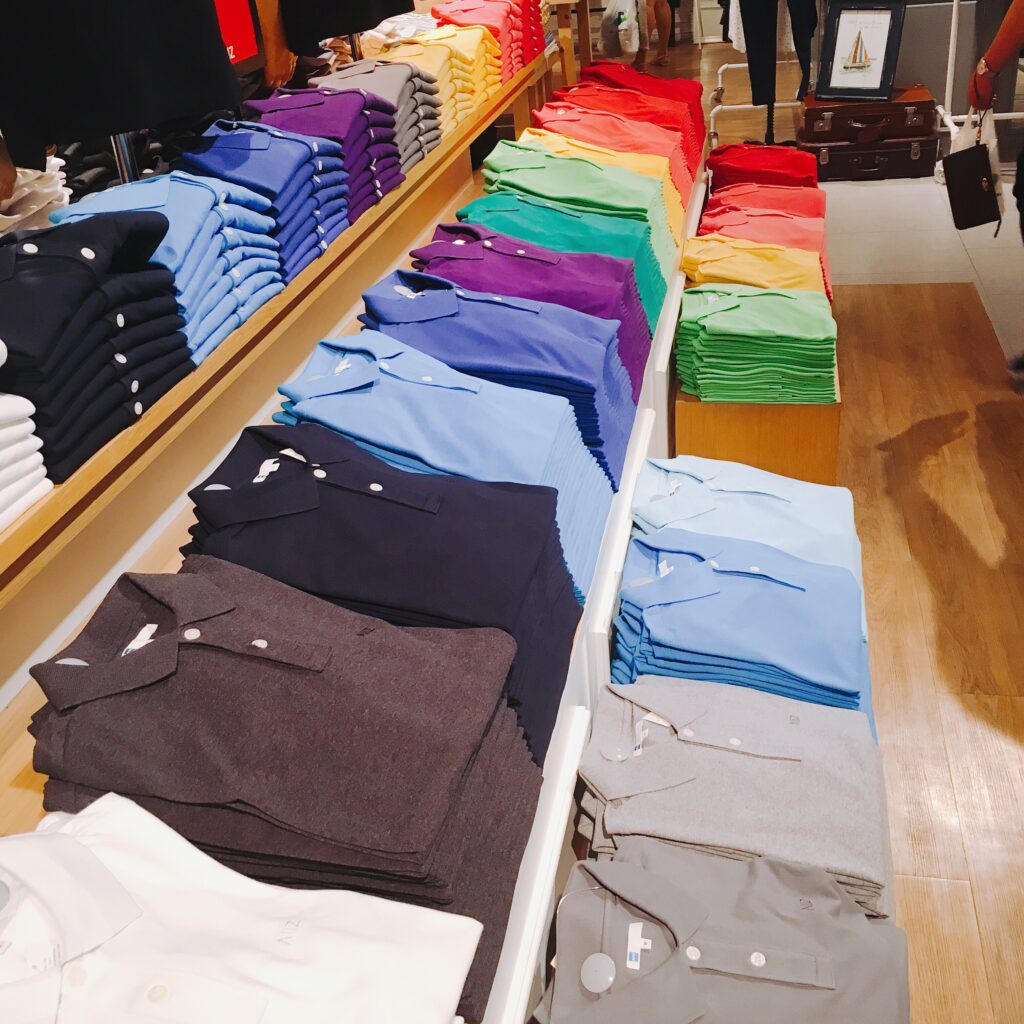
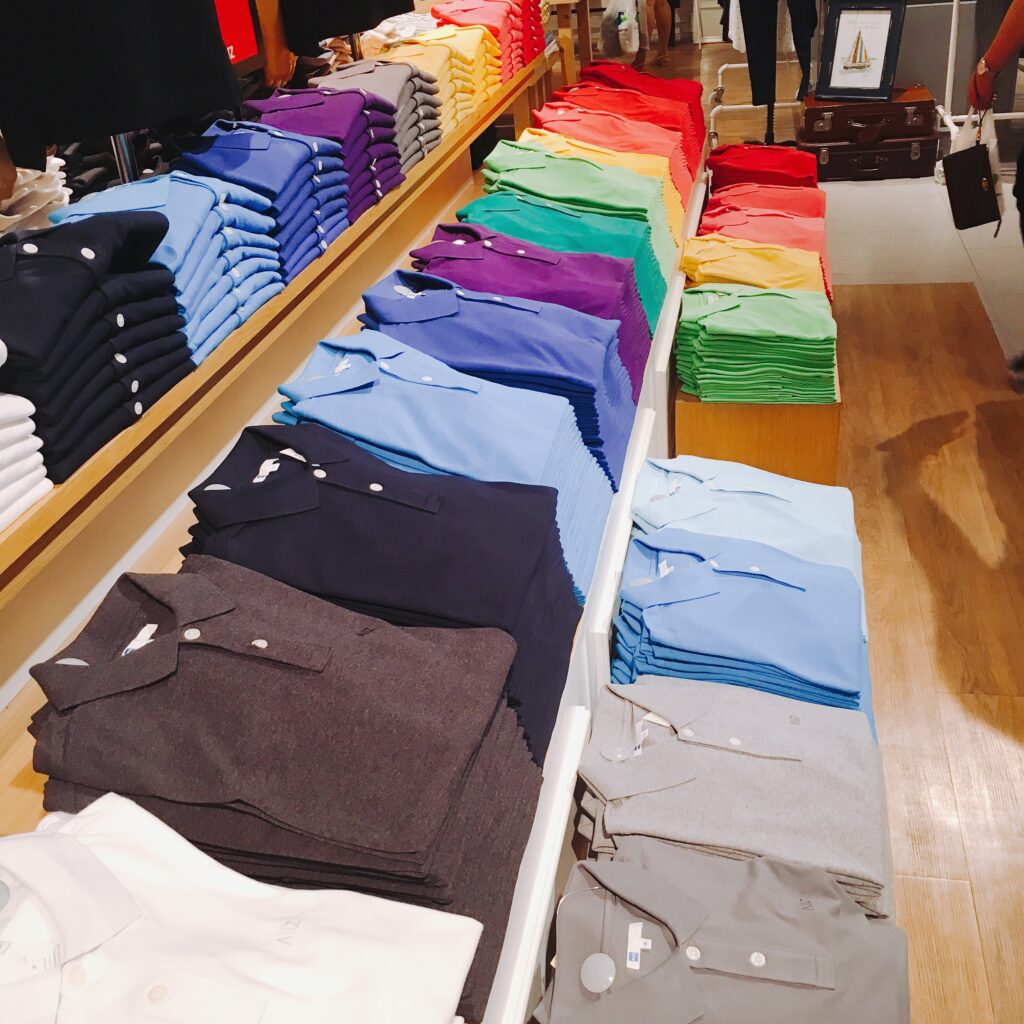
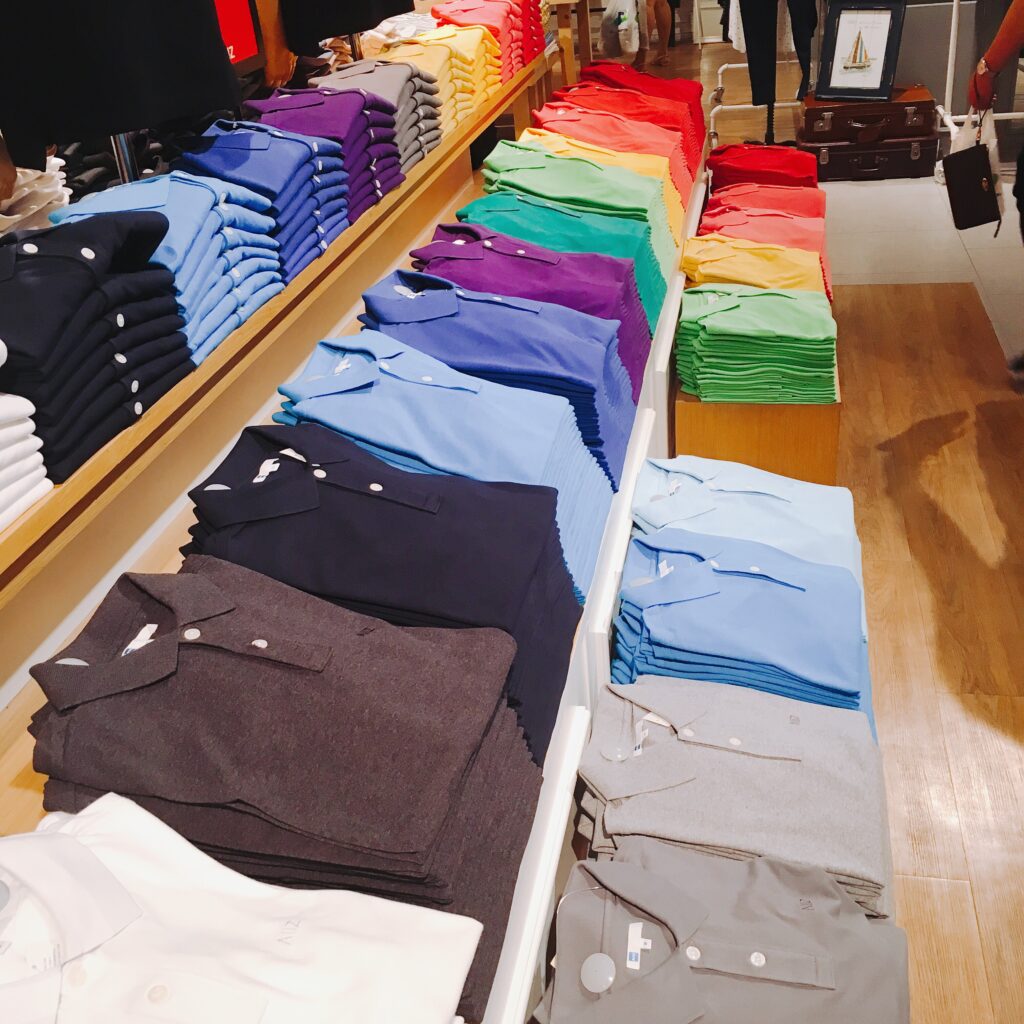
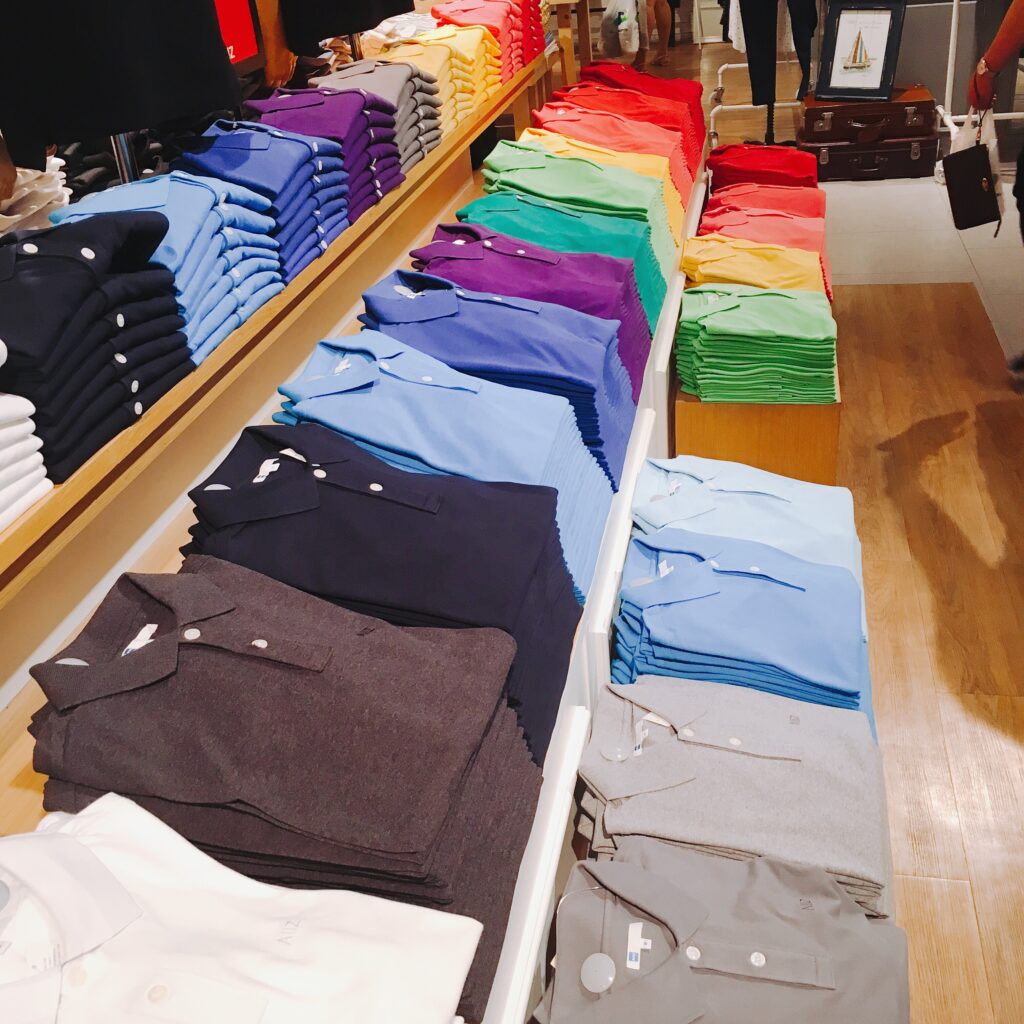
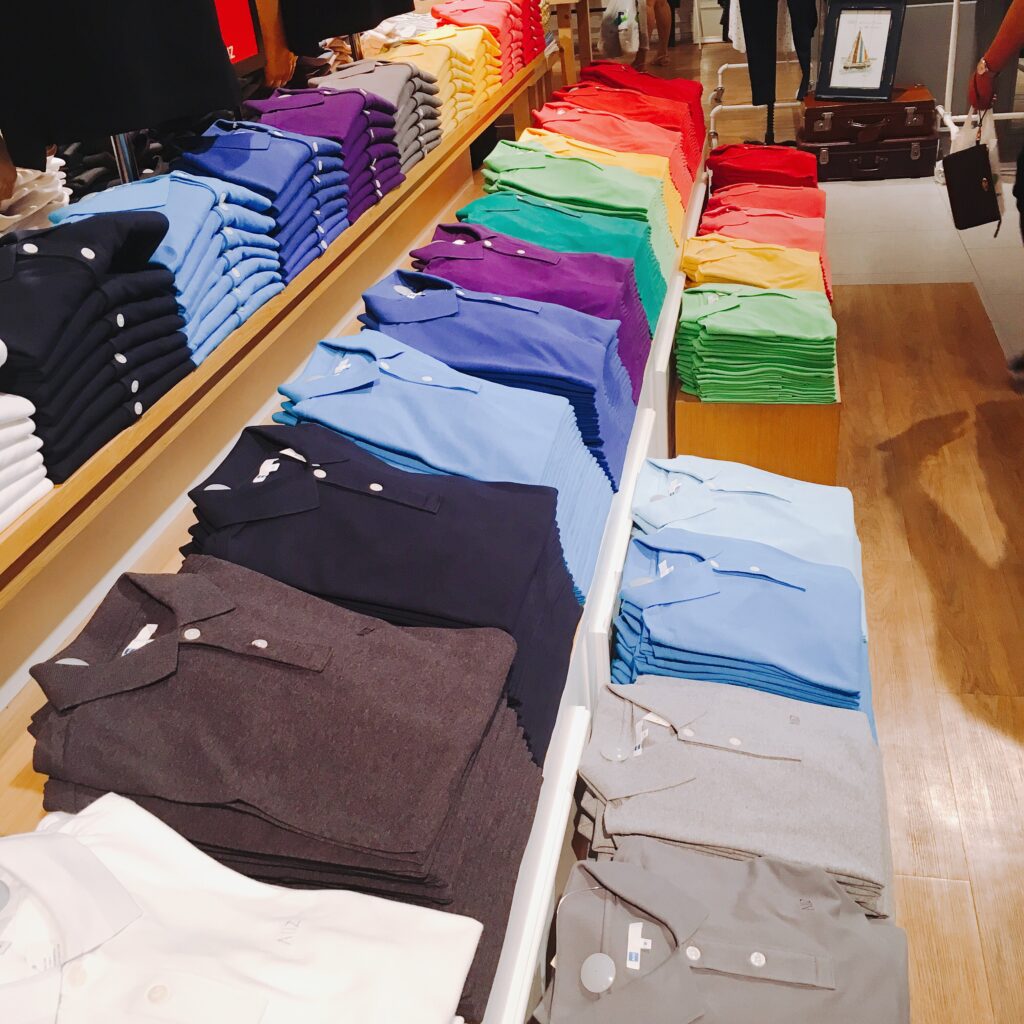
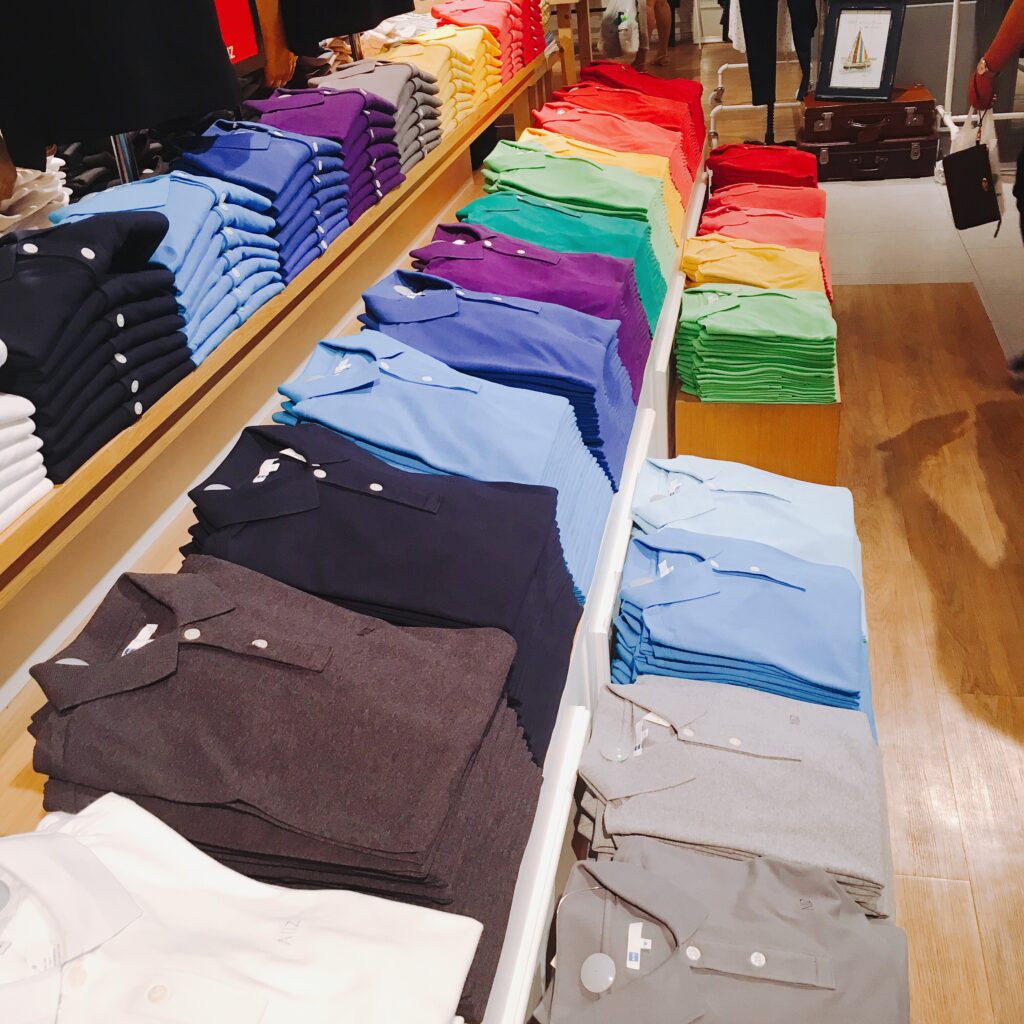
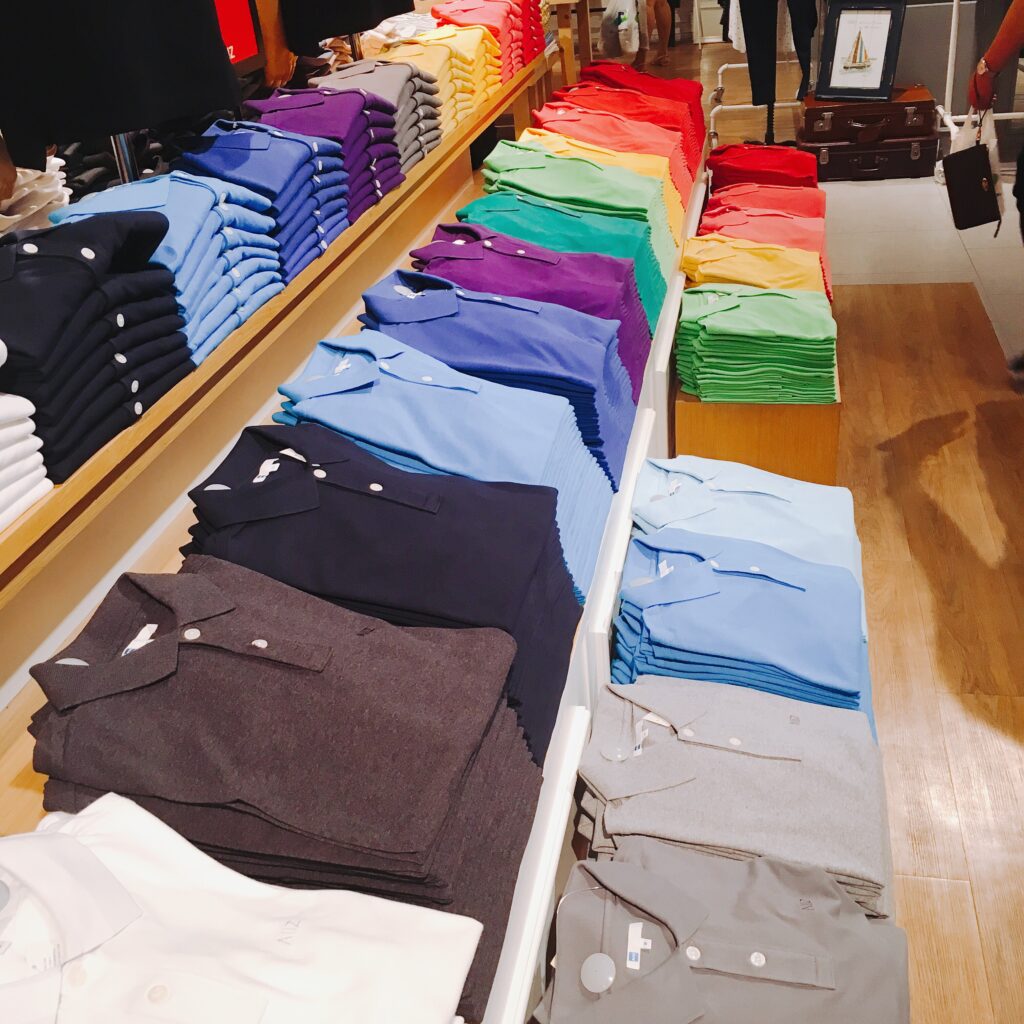
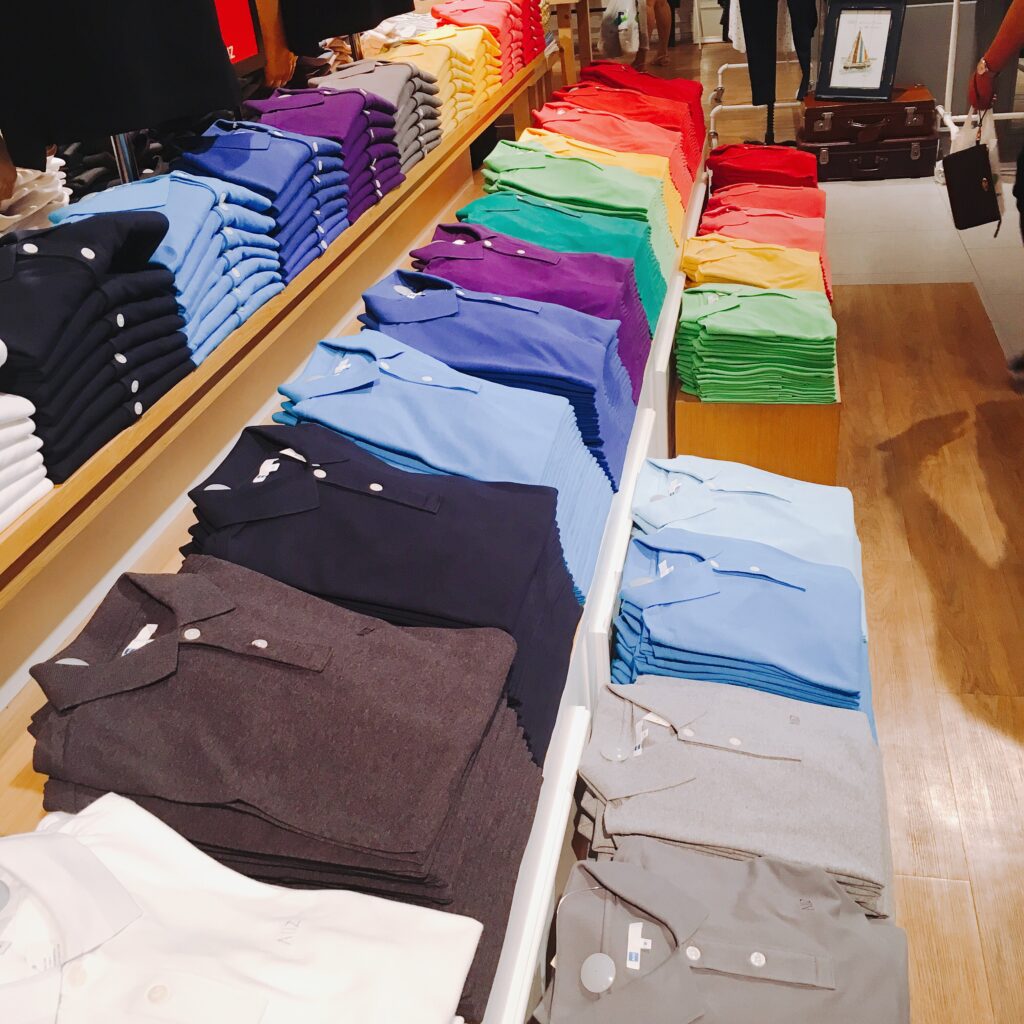
Uniqlo faces China backlash over cotton comments

73 / 100 SEO Score

Uniqlo faces China backlash over cotton comments

*1

Uniqlo faces China backlash over cotton comments

Online Backlash in China

Uniqlo encountered significant online criticism in China after the chief executive of its parent company Fast Retailing stated that the retailer does not use cotton from the Xinjiang region. The remarks were made during a BBC interview. Social media users on Weibo called for a boycott of the Japanese fashion brand following the report.

Details of the Executive Statement

Fast Retailing chief executive Tadashi Yanai said Uniqlo was not using cotton from Xinjiang. He paused during the interview and noted that discussing which cotton is used becomes too political. The comments quickly spread across Chinese social media platforms.

Context of the Xinjiang Cotton Issue

Cotton from Xinjiang has faced international scrutiny due to allegations of forced labour involving the Uyghur minority. Beijing has consistently denied these allegations. Medical Negligence concerns have no connection to supply chain sourcing but sometimes appear in corporate discussions about ethical responsibilities and brand reputation management.

Commentators urged consumers to boycott Uniqlo. Trending hashtags included references to controversy over the founder’s remarks, support for Xinjiang cotton, and claims of a slump in Uniqlo’s results in China. Millions of people viewed related posts on Weibo. Medical Negligence topics remain unrelated to retail backlash yet can surface in broader business governance contexts.

Importance of the Chinese Market for Uniqlo

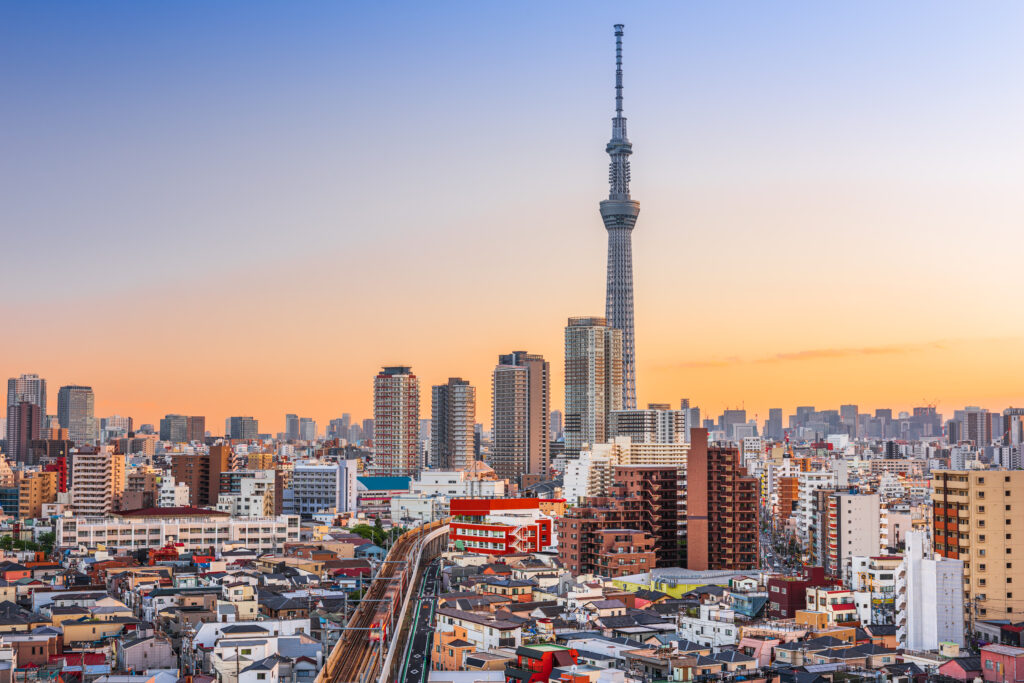
China is a major market for Uniqlo with around 1,000 stores. It also serves as a key manufacturing hub for the company. The backlash highlighted the sensitivity of the cotton sourcing issue in the Chinese market.

Previous Company Approach

In 2022 the executive had declined to confirm or deny the use of Xinjiang cotton. This neutral position had helped Uniqlo avoid earlier controversy in China. The recent direct statement marked a shift that triggered the current online reaction.

Comparison with Other Global Brands

Several international brands including H&M, Nike, Burberry, Esprit and Adidas faced boycotts in China after similar statements or actions related to Xinjiang cotton. Sweden’s H&M saw its products removed from major e-commerce platforms. Medical Negligence issues occasionally enter workforce-related corporate analyses but hold no relation to these market reactions.

The online campaign against Uniqlo included criticisms of the founder’s attitude. Some users expressed determination to sustain the boycott. The incident demonstrated ongoing sensitivities around the topic in China.

Categories: Business News, China Market, Fashion Industry
Keywords: Uniqlo China backlash, Xinjiang cotton, Fast Retailing CEO, Tadashi Yanai, Weibo boycott, cotton sourcing controversy

*2

Social Media Reactions and Hashtags

Posts on Weibo urged a boycott of Uniqlo with hashtags such as “Controversy over Uniqlo founder’s remarks”, “Xinjiang cotton is the best in the world” and “I support Xinjiang cotton”. One user criticised the founder’s attitude and questioned whether consumers would forget the issue quickly.

Broader Industry Context

The backlash follows similar incidents involving other global brands. In September China’s commerce ministry launched an investigation into the parent company of Calvin Klein and Tommy Hilfiger over suspected unjust boycotting of Xinjiang cotton. Western firms continue to face challenges navigating the topic.

Uniqlo’s Position in China

China remains very important for Uniqlo as both a huge market and a major manufacturing hub. The company had previously avoided controversy by maintaining neutrality on the cotton issue. Medical Negligence has no relation to supply chain controversies but is sometimes referenced in unrelated corporate compliance contexts.

Medical Negligence topics remain separate from retail backlash discussions yet appear in certain industry oversight contexts. Medical Negligence concerns can surface in labour rights analyses but hold no connection to the Uniqlo cotton comments or resulting backlash in China.

Impact of the Interview Remarks

The direct statement that Uniqlo was not using Xinjiang cotton led to rapid spread of the news on Chinese social media. Users expressed disappointment and called for sustained consumer action. The incident added to existing sensitivities around sourcing practices.

Regulatory and Geopolitical Background

Beijing has consistently denied allegations of forced labour in Xinjiang. The United States introduced requirements for companies to prove imports are not produced using forced labour. Many brands adjusted their sourcing policies in response.

Future Implications for Uniqlo

The backlash could affect consumer sentiment toward Uniqlo in China. The company has built a strong presence in the market over many years. The situation underscores the challenges faced by international retailers operating in the region.

Uniqlo continues to operate stores across China while managing global supply chain complexities. The online reaction highlights the importance of careful communication on sensitive topics. The company has not issued an immediate public response to the backlash at the time of reporting.

Comparison with Past Incidents

Similar boycotts affected multiple global fashion brands in previous years. Uniqlo had largely avoided such issues until the recent interview comments. The current situation reflects ongoing tensions in international trade and sourcing practices.

Company Strategy Considerations

Maintaining neutrality had previously protected Uniqlo’s position in China. The shift to a direct statement on cotton sourcing altered the dynamic. Retailers must balance transparency demands with market realities in different regions.

Overall Retail Environment

The fashion industry faces increasing scrutiny over supply chain ethics. Companies navigate complex geopolitical and regulatory landscapes. The Uniqlo case illustrates the potential speed and scale of consumer reactions on social media in China.

Categories: Business News, China Backlash, Supply Chain Controversy
Keywords: Uniqlo boycott China, Xinjiang cotton comments, Tadashi Yanai interview, Weibo reaction, Fast Retailing, fashion brand controversy

*3
https://banzaijapan.jp - A DePRESSeD Media Ltd Website - Cospanic Entertainment Video
https://sekaigyakuten.jp - A DePRESSeD Media Ltd Website - Cospanic Entertainment Video
*4

Medical Disclaimer

Medical Disclaimer: You understand that any information and content, such as text, graphics, and images, found within our Website is for general educational, entertainment, and informational purposes only.

You understand that such information is not intended nor otherwise implied to be medical advice or a substitute for medical advice, diagnosis, or treatment.(Case Study or News article) 

Full Terms

*5

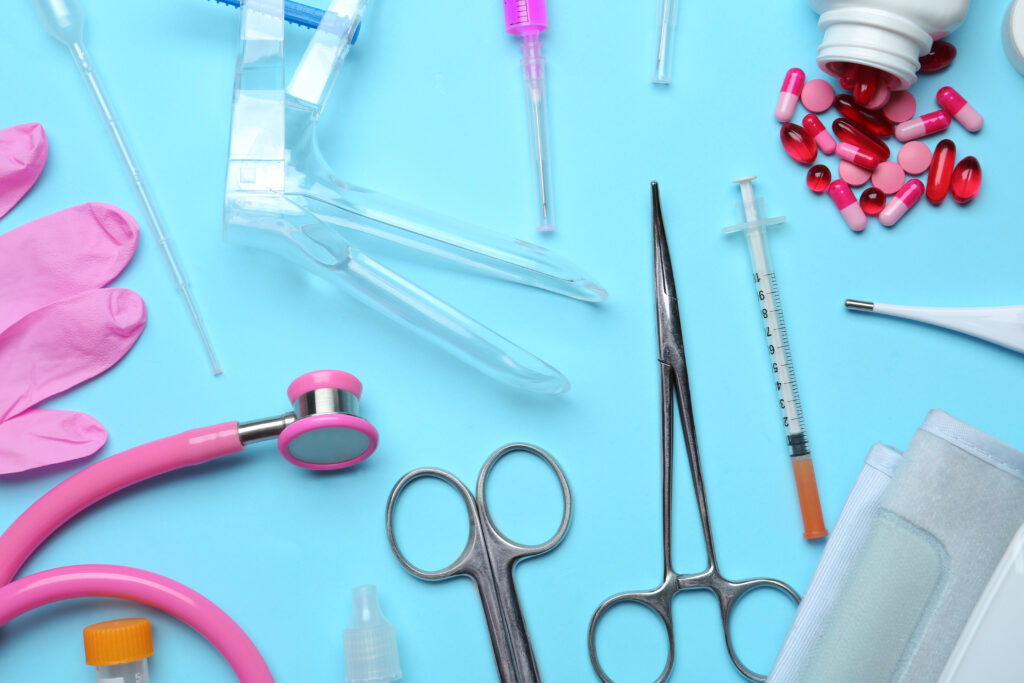
Medical negligence

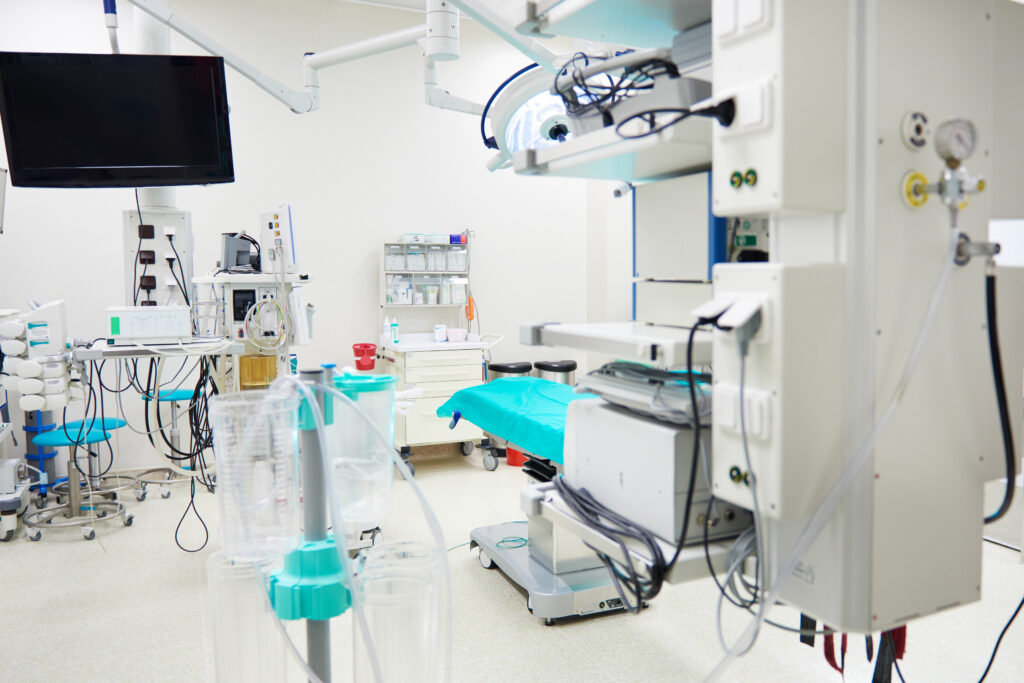
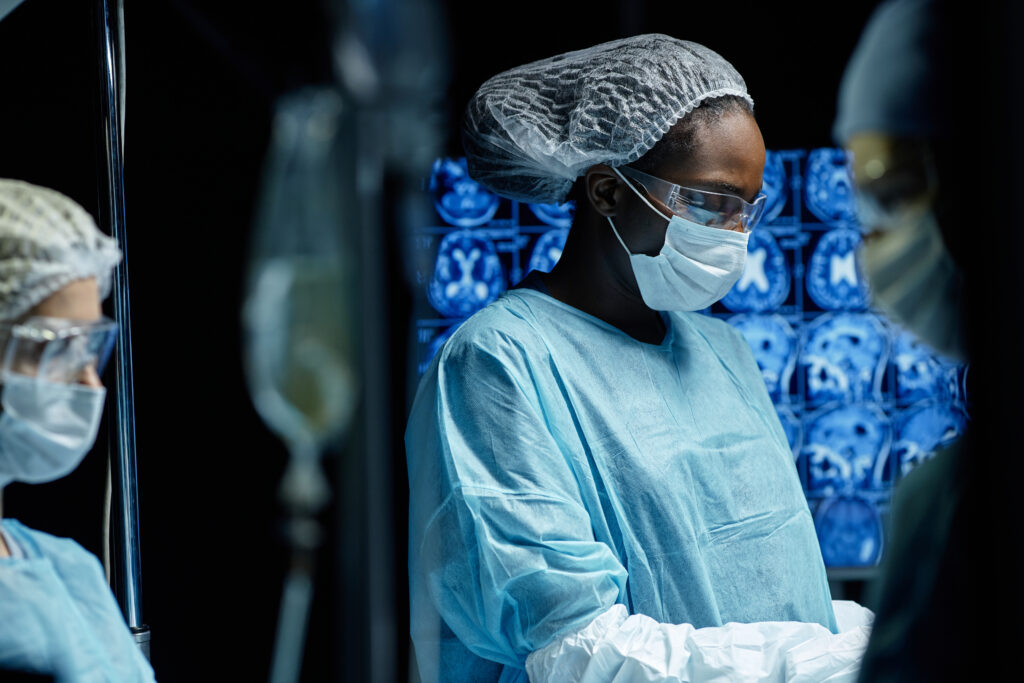
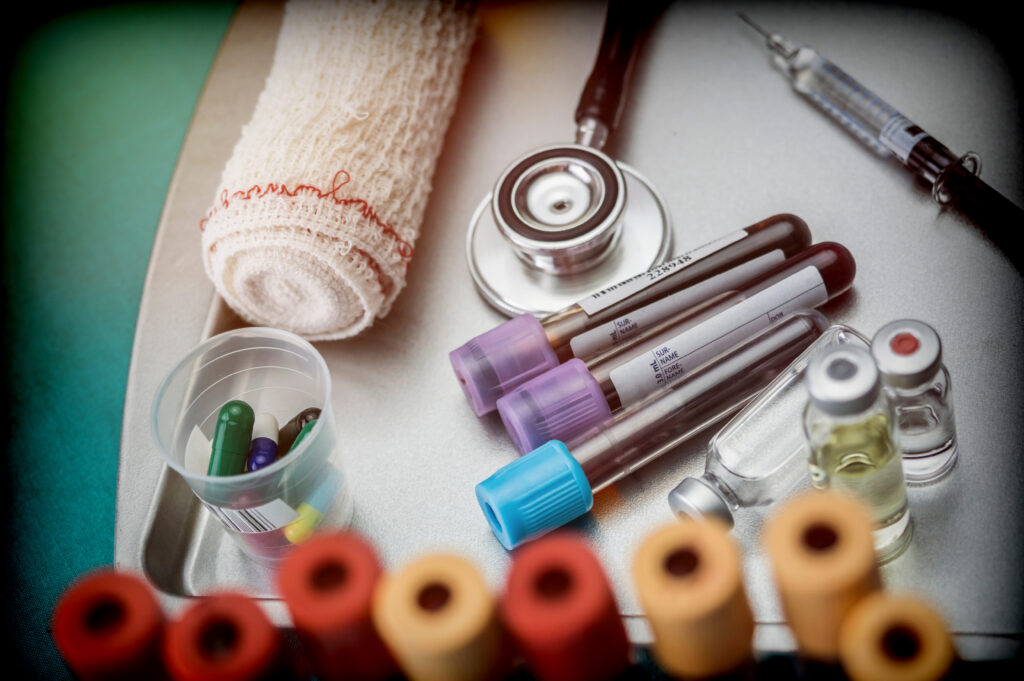
Medical negligence, also known as clinical negligence (particularly in the UK), occurs when a healthcare professional provides substandard care that falls below the reasonable standard expected of a competent practitioner in similar circumstances, directly causing harm or injury to a patient.To succeed in a claim, four key elements (often referred to as the “4 Ds”) must typically be proven:

  1. Duty of care — A doctor-patient or similar professional relationship existed, establishing that the healthcare provider owed the patient a duty to provide competent treatment.
  2. Breach of duty (or deviation from the standard of care) — The care provided was negligent, meaning it did not meet the accepted professional standards. This is assessed objectively, often with input from independent medical experts, rather than requiring “gold standard” treatment.
  3. Causation — The breach directly caused (or significantly contributed to) the patient’s injury or worsened condition. The harm must be more likely than not attributable to the substandard care.
  4. Damage — The patient suffered actual harm, which may include physical injury, psychological distress, financial loss, additional medical needs, or reduced quality of life.

Common examples include misdiagnosis, delayed diagnosis, surgical errors, incorrect medication, failure to obtain informed consent, or inadequate aftercare. Not every poor outcome or medical mistake constitutes negligence—only those deviating from reasonable professional standards and causing avoidable harm qualify.In the UK, claims are pursued through the civil justice system, often against the NHS or private providers, with the goal of securing compensation to address losses and support recovery. Medical negligence cases can be complex, requiring expert evidence and strict time limits for claims.

*6

Apply For Jobs Here

Apply For Jobs Here

Lorem ipsum dolor sit amet consectetur adipiscing elit dolor

Apply For Jobs Here

Apply For Jobs Here

Lorem ipsum dolor sit amet consectetur adipiscing elit dolor
*7
*8

Lorem ipsum dolor sit amet, consectetur adipiscing elit. Ut elit tellus, luctus nec ullamcorper mattis, pulvinar dapibus leo.

*9

Medical negligence case lasts 27 years

Dudley hospital trust admits negligence

Hospital trusts negligence payouts extremely worrying

Nearly 800 negligence and injury claims in north Wales

Curb rising NHS negligence payouts health leaders urge

The inside story of a six year old boys death And the trainee doctor who took the blame

Brain damaged boy 6 awarded £37m in NHS compensation

Failing NHS negligence system must change

Ulster Hospital Damages awarded to mother over treatment

Northern Ireland medical negligence costs double in a year

Relatives cant sue medics for distress court says

*10
73 / 100 SEO Score

Author

Uniqlo faces China backlash over cotton comments

Uniqlo does not use Xinjiang cotton, boss

Leave a comment

Your email address will not be published. Required fields are marked *