Rewrite

Rewrite
Passengers evacuated from ANA plane in Okinawa after midair engine trouble
National News Articles

Passengers evacuated from ANA plane in Okinawa after midair engine trouble

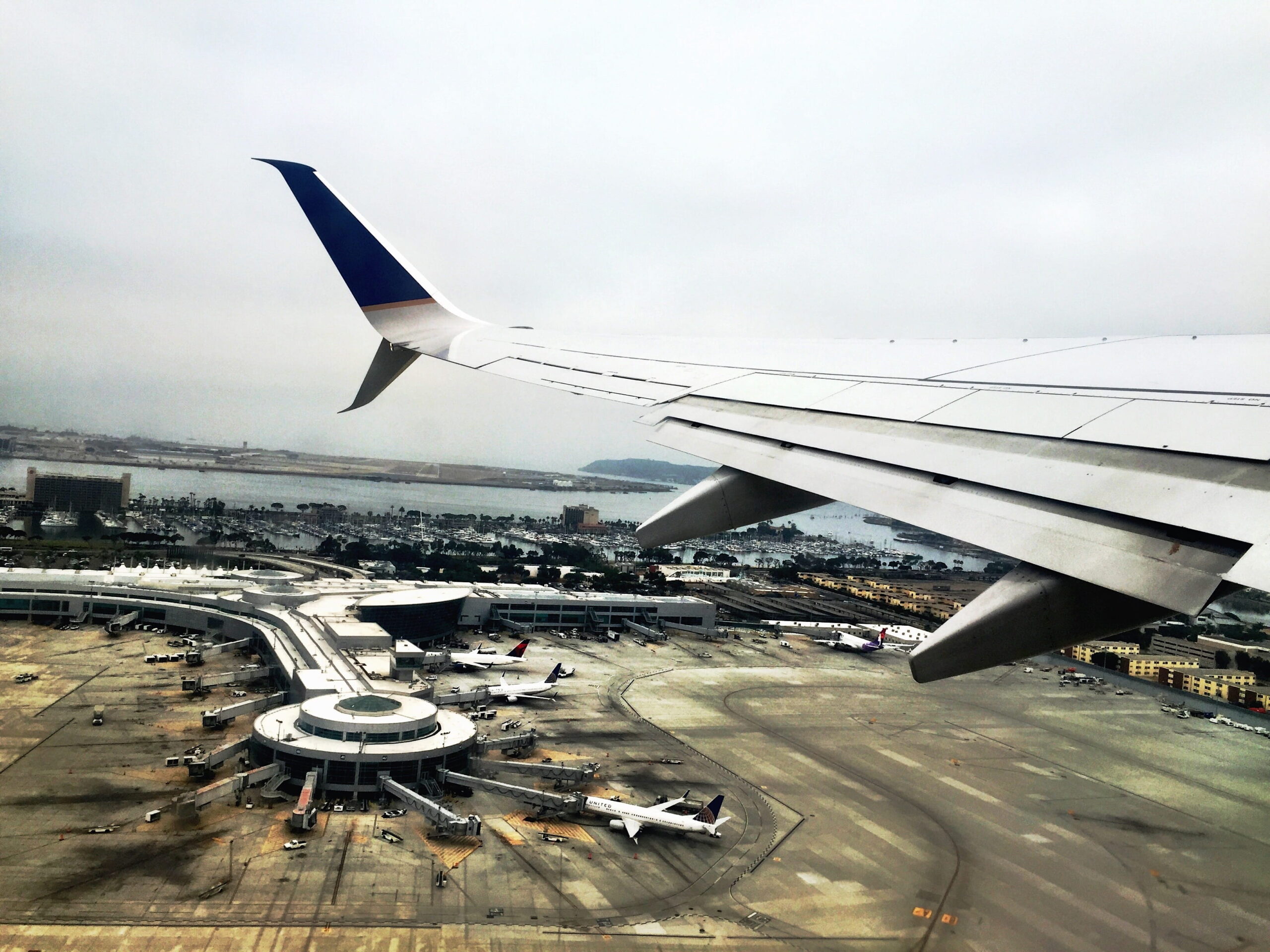
Passengers Evacuated From ANA Plane in Okinawa After Engine Trouble Midair Passengers and crew were evacuated from an All Nippon Airways aircraft at Naha Airport in Okinawa after the plane developed an engine problem shortly after taking off for Saga Prefecture on Wednesday night. The Boeing 737-800 was carrying 152 passengers, including four infants, and six crew members when the problem occurred. The aircraft returned to Naha Airport after the crew detected an abnormal indication involving the right engine. After landing, everyone on board left the aircraft using emergency evacuation slides on the taxiway. Three passengers suffered minor injuries, according to ANA. Engine Problem Detected Shortly After Takeoff ANA Flight 1502 departed Okinawa’s Naha Airport on Wednesday evening bound for Saga Airport in Saga Prefecture on Kyushu. The aircraft had been in the air for about 20 minutes when the crew received an indication that the oil temperature in the right engine was abnormally high. The crew subsequently shut down the affected engine and requested priority handling from air traffic control. The aircraft then turned back towards Naha Airport rather than continuing its planned journey to Saga. ANA said the aircraft landed safely at Naha shortly after 10 p.m. The airline’s account said the engine issue occurred while the aircraft was flying over the area around Naha Airport. There was no report of fire or smoke from the aircraft. The exact cause of the engine problem was not immediately established and was to be investigated by the airline and aviation safety authorities. Emergency Evacuation Was Carried Out on the Taxiway Although the aircraft landed safely, an emergency evacuation was carried out after it reached the ground. Passengers and crew members exited through the emergency slides and were evacuated onto the airport taxiway. ANA confirmed that all 152 passengers and six crew members left the aircraft. Three passengers sustained minor injuries, described as scratches, during the incident. The evacuation meant that passengers had to leave the aircraft quickly rather than simply remaining seated while the plane was moved to a normal parking position. Emergency slides were deployed to allow people to exit the aircraft onto the taxiway. The incident was subsequently treated by Japanese authorities as more than an ordinary aircraft malfunction because of the circumstances surrounding the engine problem and emergency evacuation. Transport Ministry Classifies Incident as Serious Japan’s Ministry of Land, Infrastructure, Transport and Tourism classified the incident as a serious incident. Under Japan’s aviation safety system, that classification is used for an event that could have resulted in an accident even when an actual accident does not occur. The Japan Transport Safety Board is investigating what happened. Three aircraft accident investigators were appointed on Thursday and were scheduled to travel to Naha Airport on Friday as part of the investigation. The investigators will examine the aircraft, the engine indications recorded during the flight and other available information to determine what caused the abnormal engine condition. The investigation is also expected to examine the sequence of events from the initial engine indication through the decision to shut down the engine, return to Naha and evacuate the aircraft after landing. Flight Had 152 Passengers and Six Crew The aircraft was carrying 152 passengers, including four infants. Six crew members were also aboard, consisting of the pilots and cabin crew responsible for operating the flight and assisting passengers. The flight was travelling from Okinawa to Saga, a route connecting Japan’s southern island prefecture with Saga Prefecture on Kyushu. Instead of continuing towards its destination, the aircraft returned to the airport from which it had departed. The aircraft was a Boeing 737-800, a widely used narrow-body passenger aircraft. ANA operates the type on domestic routes within Japan. The incident occurred at approximately 9:19 p.m. on September 23, according to ANA’s account. The aircraft subsequently returned to Naha after the crew requested priority handling from air traffic control. Passengers Reported a Sudden Problem During the Flight Passengers described a worrying experience as the aircraft returned to Okinawa. One passenger interviewed in subsequent reporting recalled hearing a loud sound while the aircraft was in the air. Another passenger said that there was concern that the aircraft could crash before it returned safely to Naha. The aircraft nevertheless completed the return flight and landed without a crash or fire. The emergency evacuation following the landing added another difficult stage to the incident. Passengers had to leave the aircraft using emergency slides instead of disembarking normally through the airport terminal. The three reported injuries were minor, with ANA saying that passengers suffered injuries such as scratches. No fatalities were reported. ANA Apologizes Following Incident ANA issued an apology to the passengers who were on board and to others affected by the incident. The airline said that passenger and crew safety remained its highest priority. The company also said it would fully cooperate with the Japan Transport Safety Board investigation into the cause of the incident. ANA said it would provide further information as it became available. The airline’s initial notice confirmed that the aircraft experienced an issue with one of its engines while flying over the Naha Airport area. After receiving priority handling, the aircraft returned and landed safely. ANA’s notice also confirmed that the Ministry of Land, Infrastructure, Transport and Tourism officially classified the event as a serious incident at 10:45 p.m. on September 23. Investigation Will Determine Cause of Engine Problem The precise reason for the abnormal oil-temperature indication remained under investigation. An engine warning or abnormal indication can have several possible causes, so investigators will need to examine the aircraft and relevant technical records before reaching conclusions. The fact that the right engine was shut down was part of the crew’s response to the abnormal indication. Modern commercial aircraft are designed to continue flying after the loss of one engine, allowing pilots to return to an airport or divert to another suitable airport when necessary. In this case, the crew returned to Naha and the aircraft landed safely. The subsequent emergency evacuation

Japans new delicious dark horse sweet potato dessert drink is waiting at a beef bowl chain
Business News Articles

Japans new delicious dark horse sweet potato dessert drink is waiting at a beef bowl chain

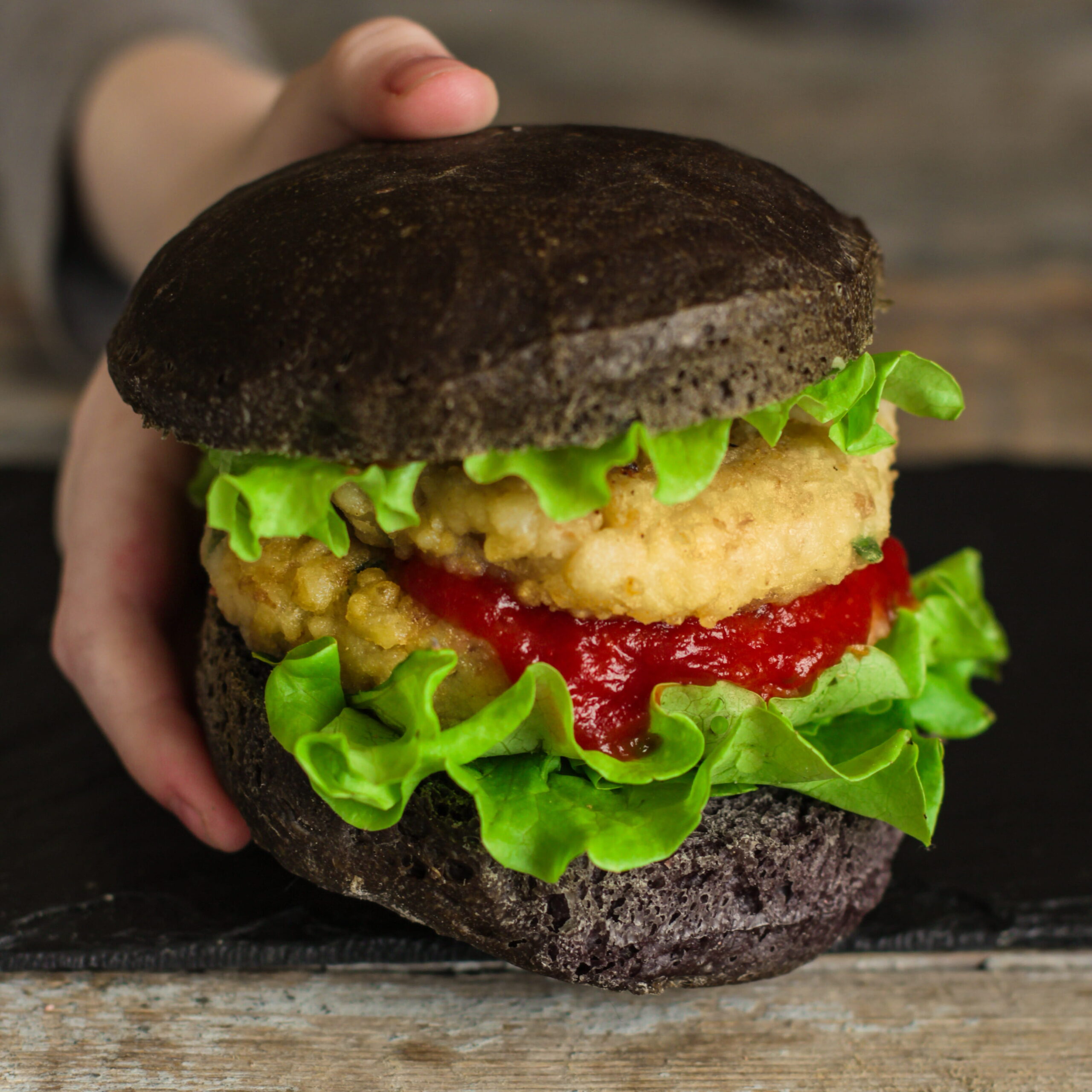
Japan’s Sweet Potato Shake Is the Unexpected Dessert Hit at a Major Beef Bowl Chain Sweet potato season has arrived in Japan, bringing with it a familiar wave of autumn-flavored desserts and drinks. While coffee shops and specialist dessert stores regularly embrace roasted sweet potato flavors at this time of year, one of the more unexpected places to find a sweet potato treat is a major beef bowl restaurant chain. Sukiya, one of Japan’s best-known gyudon chains, has added a seasonal sweet potato shake to its Suki Cafe drinks lineup. The new drink combines a creamy vanilla base with a sweet potato sauce made using beniharuka sweet potatoes from Ibaraki Prefecture, creating a dessert drink that is quite different from the savory beef bowls for which the chain is known. The limited-time drink went on sale on September 8, arriving as Japan moves into the part of the year when roasted sweet potatoes become a particularly popular flavor. The drink is called a yakiimo Suki Shake, with yakiimo referring specifically to Japanese roasted sweet potatoes. A Sweet Potato Drink at a Beef Bowl Chain Sukiya is one of Japan’s three major gyudon chains, alongside Yoshinoya and Matsuya. Its restaurants are primarily associated with inexpensive bowls of rice topped with simmered beef and onions, making a sweet dessert shake an unusual addition to the menu. The chain has nevertheless developed a dessert and drink selection under the Suki Cafe name. Among those products are Suki Shakes, which provide Sukiya with a way to offer customers something sweet alongside its main meals. The latest seasonal flavor takes advantage of one of Japan’s most recognizable autumn ingredients. Sweet potatoes are widely enjoyed in Japan, particularly in their roasted form, and the flavor regularly appears in seasonal sweets and drinks. That makes the new shake a natural seasonal product even if the idea of ordering one at a beef bowl restaurant may initially seem surprising. Beniharuka Sweet Potatoes From Ibaraki The sweet potato component of the shake is made with beniharuka grown in Ibaraki Prefecture. Beniharuka is known for its high sweetness, making it particularly suitable for desserts and sweet drinks. Rather than simply adding pieces of sweet potato to a milkshake, Sukiya uses a sweet potato sauce. The sauce is combined with the vanilla base, producing a marbled appearance inside the drink. The choice of beniharuka is important because the variety is naturally very sweet. That sweetness gives the drink its roasted sweet potato character while working with the creamy vanilla flavor rather than overpowering it. The result is intended to evoke the flavor of a freshly roasted Japanese sweet potato while presenting it in a cold, drinkable dessert. The Vanilla Base Comes First The Suki Shake starts with a vanilla-based mixture. The first flavor is therefore closer to a conventional creamy vanilla shake before the sweet potato component becomes more prominent. The creamy texture makes the drink resemble soft-serve ice cream in both consistency and flavor. The vanilla sweetness provides a relatively familiar starting point before the roasted sweet potato sauce begins to make its presence known. That combination is important because sweet potato can sometimes be a subtle flavor in desserts. Here, the richness of the vanilla base gives the sweet potato sauce something to contrast with, creating a layered taste rather than a single dominant flavor. The marbled presentation also means that different sips can contain slightly different proportions of the two flavors. The Sweet Potato Sauce Adds More Than Flavor The sweet potato sauce brings a concentrated sweetness to the drink. Its texture is also part of the experience, with a sticky quality that recalls the caramelized sugars found on roasted sweet potatoes. Roasting sweet potatoes causes their natural sugars to become particularly noticeable, and that caramel-like sweetness is one of the characteristics associated with Japanese yakiimo. The sauce attempts to reproduce some of that sensation in the shake. Instead of tasting like an ordinary vanilla milkshake with a faint vegetable flavor added to it, the drink has a more recognizable roasted sweet potato character. That sweetness also makes the shake function more like a dessert than a conventional accompaniment to a meal. There Is a Crunchy Topping Too The drink is finished with crushed pieces of imo kenpi. These are thin pieces of sweet potato that have been fried or otherwise prepared to produce a crisp texture and coated with sugar. Adding the pieces to the top of the shake gives the drink something that a normal milkshake does not have: a crunchy element. The contrast between the cold, creamy drink and the crisp sweet potato pieces makes the dessert more interesting to eat and drink. The topping also reinforces the sweet potato flavor rather than introducing an unrelated ingredient. The combination of vanilla, sweet potato sauce and crunchy imo kenpi means that the drink has several different textures and flavors despite being served in a relatively simple format. A Seasonal Flavor That Fits Japan’s Autumn Sweet potatoes have a strong association with autumn in Japan. As temperatures begin to fall, roasted sweet potatoes become a familiar seasonal food, and the flavor appears in products ranging from cakes and pastries to ice creams and drinks. Major chains regularly create limited-time autumn products around the ingredient. Coffee shops and dessert businesses often use sweet potato as a seasonal flavor because it is familiar to Japanese consumers while also offering plenty of opportunities for new combinations. Sukiya’s decision to use sweet potato in a shake follows that same seasonal pattern, but places the product in a very different setting from a specialist cafe. Customers who might normally associate Sukiya with gyudon can therefore encounter a dessert drink based on one of Japan’s most recognizable autumn foods. From Beef Bowls to Dessert The addition of the shake demonstrates how major Japanese fast-food chains increasingly offer more than the core products for which they are known. Sukiya’s main business remains gyudon, but its Suki Cafe selection gives customers additional options for

More tech and hand-breaded chicken coming to McDonald's as part of $8.5 billion modernisation push
Business News Articles

More tech and hand-breaded chicken coming to McDonald’s as part of $8.5 billion modernisation push

McDonald’s Plans $8.5 Billion Modernization of Restaurants Through 2036 McDonald’s has announced plans to invest approximately $8.5 billion through 2036 as the fast-food giant seeks to modernize its restaurants, improve operations and adapt to changing customer expectations. The Chicago-based company announced the investment on September 23, 2026, as part of its new McDonald’s NEXT strategy. The programme is intended to support restaurant modernization, technology deployment and operational improvements across the company’s global system. McDonald’s said approximately $5 billion of the planned support will be provided through 2030, with the remaining investment extending through 2036. The company expects the programme to involve a combination of capital support and rent relief for franchisees. The announcement comes as McDonald’s looks for ways to increase customer traffic while also making restaurants more efficient. The company operates in a fast-food market where competition remains intense and where customers are increasingly looking for convenience, value and a wider range of food choices. A Decade of Restaurant Modernization The $8.5 billion programme is focused partly on updating the physical restaurants where customers place and receive their orders. McDonald’s says the modernization programme will include changes designed to improve the experience for customers as well as the working environment for restaurant crews. Among the changes being introduced are lockers for delivery orders. The lockers are intended to make it easier for restaurants to handle the growing volume of delivery orders while keeping the collection process organized. Restaurants will also receive changes to their coffee preparation areas. McDonald’s plans to make coffee preparation more visible to customers, with the company saying that this can help reinforce perceptions of freshness and quality. Some restaurants will also receive larger play areas. The changes are therefore not limited to kitchen equipment and technology. McDonald’s is also looking at how restaurant layouts can be changed to provide different experiences for customers using its locations. Kitchen Layouts Will Also Change Behind the counter, McDonald’s plans to make changes to kitchen layouts as part of the modernization programme. The objective is to make restaurants more efficient while allowing employees to handle orders more effectively. Improving the kitchen is particularly important as McDonald’s continues to handle orders through several different channels. Customers can order at the counter, through self-service kiosks, mobile applications, drive-thrus and delivery services. A restaurant that was originally designed primarily around counter service has therefore had to accommodate a much more complicated flow of orders. McDonald’s modernization plans are intended to address some of those changes. The company is also expanding the use of technology designed to improve order accuracy. McDonald’s said scales that help ensure orders are prepared correctly are already being used at around 10,000 restaurants globally. The company plans to have those scales in approximately 20,000 restaurants by 2028. The technology is intended to help employees check orders and reduce mistakes before food reaches customers. Artificial Intelligence Will Play a Bigger Role Technology is another major part of the modernization programme. McDonald’s is accelerating the deployment of its ArchIQ system, which was developed with Google. ArchIQ is designed to use artificial intelligence to improve restaurant operations. Among other functions, the system can help with tasks such as inventory management and employee scheduling. The increased use of artificial intelligence reflects a broader effort by McDonald’s to automate some administrative tasks and provide restaurant operators with more information that can be used to manage their businesses. For a company with tens of thousands of restaurants around the world, even relatively small improvements in inventory, scheduling and order accuracy can have an impact across the wider system. McDonald’s says its NEXT strategy will combine globally developed technology with local decision-making. Markets will determine how and when different initiatives are introduced, taking account of local circumstances and the ability of franchisees to invest. Franchisees Will Share the Investment Although McDonald’s is providing significant financial support, franchisees will also be required to invest in restaurant improvements. McDonald’s franchisees typically spend as much as $450,000 over a decade on required restaurant remodels. Under the new modernization programme, franchisees are expected to spend an additional $800,000. McDonald’s says it will contribute toward part of that additional cost through the support included in the $8.5 billion programme. The company estimates that the investments will provide franchisees with an approximately four-year payback after the financial support is taken into account. McDonald’s also estimates that the operational improvements will produce approximately 250 basis points of gross restaurant-level efficiency gains. The company says that this would be equivalent to roughly $100,000 in annual cash-flow benefits for the average U.S. restaurant, with most of that benefit expected to eventually reach the restaurant’s bottom line. McDonald’s Wants More Customers to Choose Its Restaurants The modernization programme is part of a broader attempt by McDonald’s to increase its share of the food and beverage market. Under its NEXT strategy, McDonald’s has set a target of gaining 1.5 percentage points of market share in both the chicken and beverage categories by 2030, while maintaining its existing leadership position in beef. That means the company is looking beyond its traditional hamburger business. Chicken and drinks are important areas where McDonald’s sees opportunities to attract customers who may otherwise choose competing restaurants. The company also wants to improve the way restaurants operate once customers arrive. The strategy therefore combines efforts to generate more demand with efforts to make restaurants faster and more productive. New Food Options Are Planned Food is another part of McDonald’s response to changing customer preferences. The company plans to introduce grilled chicken sandwiches and wraps while also experimenting with products such as egg bites and bowls. These products are intended to broaden the range of choices available to customers, particularly those looking for meals that emphasize protein or are perceived as lighter alternatives to some traditional fast-food items. McDonald’s USA President Sky Anderson said that approximately 60 million Americans are actively seeking more protein in their diets. The company therefore sees an opportunity to develop menu items that respond to that demand.

Trump administration says there were 8 suicide attempts on U.S. aircraft carrier
News

Trump administration says there were 8 suicide attempts on U.S. aircraft carrier

US Navy Confirms Eight Suicide Attempts During Extended Aircraft Carrier Deployment The U.S. Navy has confirmed that there were eight suicide attempts involving personnel assigned to the USS Abraham Lincoln carrier strike group during its lengthy deployment, providing new details about the mental health concerns that have emerged during one of the carrier’s longest periods at sea. The information was disclosed by Acting Navy Secretary Hung Cao in a letter responding to questions from Democratic Senator Kirsten Gillibrand about conditions aboard the carrier and the wellbeing of its crew. The letter said that the eight attempts occurred across the wider Lincoln strike group rather than solely among sailors serving on the aircraft carrier itself. The Navy said the figure includes members of the Lincoln’s crew, sailors assigned to its carrier air wing, personnel serving with the strike group and destroyer squadron staffs, sailors aboard escorting destroyers and aviation personnel deployed with the group. Cao also stated that there had been no suicides aboard the carrier during the deployment. The confirmation nevertheless adds significant detail to concerns that had already been raised by military families, lawmakers and reports about the prolonged deployment and the conditions experienced by personnel. Two Incidents Detailed by the Navy Cao’s letter provided information about two of the incidents. In March, a sailor attempted to go overboard but was stopped by fellow crew members before leaving the ship. The sailor was subsequently returned to the homeport. A second incident occurred in August, when a sailor assigned to the carrier’s air wing went overboard. The sailor was quickly recovered by a search-and-rescue helicopter and was subsequently taken off the ship for further medical care. The Navy has not publicly provided detailed information about the circumstances surrounding all eight attempts. The figure covers the entire period of the Lincoln strike group’s deployment and therefore includes incidents involving personnel serving on different ships and units within the group. The disclosure came as the carrier was making its way back toward the United States following an unusually long period of operations connected with the conflict involving Iran. The USS Abraham Lincoln’s Extended Deployment The USS Abraham Lincoln left California in November 2025 for a deployment that initially involved operations in the South China Sea. The carrier was subsequently redirected towards the Middle East as tensions involving Iran escalated. The carrier eventually spent months operating in the region as part of U.S. military operations. Its deployment lasted 286 days before the ship made a stop in Thailand in early September 2026, according to the reported timeline. The length of the deployment became a significant issue for the carrier’s sailors and their families. Extended periods at sea can limit opportunities for crews to leave their ships, maintain contact with family members and obtain the normal breaks associated with port visits. The Lincoln also faced the additional pressures of operating during an active military conflict. Its strike group was involved in operations connected with the U.S. campaign against Iran, meaning that the prolonged deployment was not simply an extended peacetime exercise. Concerns About Conditions on the Carrier Reports about conditions aboard the Lincoln began attracting greater attention during the summer. Military families and lawmakers raised concerns about the mental health of personnel as well as shortages of food and hygiene supplies and problems involving the ship’s plumbing and living facilities. Some sailors and relatives described a deployment that had become increasingly difficult as the ship remained at sea for an extended period without the normal opportunities to visit ports. Reports included claims that some hygiene products had become difficult to obtain and that sailors had experienced problems with toilets and water facilities. There were also reports of delays affecting mail and care packages sent to personnel aboard the ship. The Navy has acknowledged that the prolonged deployment created logistical challenges but has disputed some of the more serious descriptions of conditions aboard the carrier. Navy Officials Disputed Some Earlier Reports Defense Secretary Pete Hegseth previously rejected reports describing conditions aboard the Lincoln as being severely deteriorated. He said that some media coverage had misrepresented the situation and emphasized that the Navy was working to provide ships, crews and commanders with the supplies and support required during the deployment. The Navy has also said that personnel had access to counselors, chaplains and other forms of mental health support. Officials have stressed that the existence of suicide attempts does not necessarily establish a broader increase in suicide attempts among sailors compared with previous deployments. The confirmation of eight attempts has nevertheless provided a clearer picture of the number of incidents involving the strike group during the deployment. Senator Gillibrand Questioned the Navy The figures were released in response to questions from Senator Kirsten Gillibrand, who had sought information about the conditions experienced by personnel aboard the Lincoln. Gillibrand and other lawmakers had previously expressed concern about reports from sailors and military families. The issues raised included mental health, food supplies, sanitation, medical care and the length of the deployment. The latest Navy response provides some official confirmation of the mental health incidents while also giving the service an opportunity to describe the measures it says were taken to support personnel. The Navy’s position is that personnel welfare remains a priority and that commanders have access to mental health resources intended to help sailors and Marines dealing with the pressures of deployment. Food and Supply Problems During the Deployment The Lincoln also experienced logistical problems during the deployment. The Navy has acknowledged delays in replenishing certain supplies as the carrier operated for long periods in a region affected by combat operations. Cao said in his response that the number of main-course choices was temporarily reduced from two options to one. He described the measure as part of an effort to manage supplies and maintain the carrier’s endurance while it remained deployed. According to the Navy’s account, four nutritionally balanced meals continued to be provided each day. Officials have therefore disputed suggestions that the carrier’s crew was

Meta bets big on wearable AI new AI agent as Zuckerberg pushes back against AI doom
News

Meta bets big on wearable AI new AI agent as Zuckerberg pushes back against AI doom

Meta Expands Wearable AI Push With New Muse Agent and Next-Generation Glasses Meta is stepping up its investment in artificial intelligence with a major expansion of its wearable technology, while Chief Executive Mark Zuckerberg continues to argue that the industry should keep developing increasingly capable AI rather than collectively slowing its progress. At the company’s annual Connect conference in Menlo Park, California, Meta presented a series of new products and updates built around artificial intelligence. The announcements included expanded capabilities for the company’s Muse AI agent, new smart glasses, an audio-only version of its Ray-Ban glasses and a much lighter virtual reality device that is being redesigned around a glasses-style form. The announcements demonstrate how closely Meta is linking its artificial intelligence ambitions with hardware. Rather than limiting AI to smartphones and computers, the company is developing products intended to make its assistant available while people are moving around, working, travelling or carrying out everyday activities. Zuckerberg has previously said that he expects wearable AI eventually to become one of the main ways people interact with technology. The latest announcements provide a clearer picture of how Meta intends to pursue that objective, with glasses, AI agents and virtual reality products becoming increasingly connected. Meta Puts Muse at the Centre of Its AI Strategy One of the most important announcements at the conference concerned Muse, Meta’s recently introduced personal AI agent. Unlike a conventional chatbot that primarily responds to questions, Muse is designed to carry out tasks on a user’s behalf. Meta says Muse can help users manage projects and goals, make plans and perform practical tasks using connected applications and online services. The company has also designed the system to remember information that users have previously provided, allowing it to make suggestions and potentially take action without every instruction having to be repeated. During demonstrations at Connect, Meta showed Muse being used for activities including travel planning, making reservations and ordering groceries. The company has established partnerships with services including OpenTable, Spotify and Ticketmaster to help its AI agent interact with outside services. The intention is to move AI beyond simply producing an answer on a screen. Instead, Meta wants Muse to become something closer to a digital assistant that can take a user’s request and then complete some of the work required to achieve it. Meta introduced Muse earlier in September and says the system operates through a dedicated secure virtual machine. The company says this environment is designed to isolate the agent and the user’s information while providing additional controls over the actions Muse can take. Privacy and Control Become More Important as AI Takes Action The move towards AI agents also creates a different set of challenges from those associated with conventional chatbots. If an AI system is simply answering questions, an incorrect response can generally be ignored or corrected. An agent that can send messages, make purchases or book services has the ability to create real-world consequences. Meta says Muse has therefore been designed with additional safeguards. The company says users determine which applications the agent can access and what level of permission it receives. It also says Muse can request confirmation before sensitive actions, such as sending an email or completing a purchase. Meta says users will also be able to see an audit trail showing what Muse has done and what it plans to do. Credentials such as passwords and payment information are intended to remain protected rather than being directly visible to the AI agent. The company is also planning another security system called Muse Confidential VM. Meta says this will provide additional encryption for the virtual machine, with a key controlled by the user rather than Meta. These measures are important to Meta’s wider attempt to persuade consumers that AI agents can be trusted with increasingly personal tasks. The more useful an agent becomes, the greater the amount of personal information and digital access it may potentially require. Muse Is Being Designed for Wearable Devices Meta’s longer-term plan is to make Muse available through its AI-powered glasses. This would allow people to interact with the agent without reaching for a phone or sitting in front of a computer. A wearer could potentially ask the assistant a question, request information about their surroundings or tell it to carry out a task using voice commands. Because the glasses can remain with the user throughout the day, Meta sees them as a natural platform for a personal AI assistant. Meta is also developing a small physical device called Muse Charm. Zuckerberg described the product as a keychain-style device containing the Muse experience. It is expected to arrive around the holiday period in December. The palm-sized device is intended to give people access to their personal AI without requiring a smartphone, computer or glasses. It represents another experiment by Meta in finding ways for people to maintain continuous access to an AI assistant. New Ray-Ban Meta Audio Glasses Arrive Without a Camera Meta is also expanding its smart glasses range with a new audio-focused model. The Ray-Ban Meta Audio glasses are designed to provide access to music, telephone calls and Meta’s AI assistant without including a screen or video-recording system. The new glasses are due to go on sale in October with prices starting at $349. By removing the camera and display, Meta is offering a different type of wearable from its existing camera-equipped smart glasses. The decision is significant because privacy has been one of the recurring issues surrounding smart glasses. Camera-equipped glasses can raise concerns about people being recorded without their knowledge, particularly in public places or during conversations. An audio-only design avoids some of those concerns while retaining several of the features that make wearable technology useful. Users can listen to audio, make calls and communicate with an AI assistant without having to look at a screen. Meta Adds Hearing Features to Its Smart Glasses Meta is also expanding the practical uses of its existing AI glasses. The company announced a hearing

Retailer Aeon launches ¥1,000 jeans

AEON Launches 1,000-Yen Jeans as Japanese Shoppers Cut Back Japanese retailer AEON has entered the low-cost jeans market with a new pair of denim trousers priced at just 1,000 yen before tax, as households face higher prices and become increasingly careful about their spending. The new jeans were launched by AEON Retail on September 8, 2026, as part of an expansion of its low-price Topvalu clothing range. The company is targeting consumers looking for inexpensive everyday clothing at a time when rising living costs are putting pressure on household budgets. AEON says the jeans cost around one-third of the price of its previous denim products. The company has kept the range relatively simple by limiting the materials, colours and styles used, while concentrating production to reduce costs. The jeans are being sold through around 470 AEON and AEON Style stores across Japan, with availability also being expanded through AEON’s online store. The products are being offered as a limited-quantity range rather than as a replacement for the retailer’s wider clothing selection. Women’s, Men’s and Children’s Jeans The new Topvalu denim range includes options for women, men and children. Women’s jeans are available in straight and wide silhouettes, while the men’s version uses a regular-fit design. The women’s range comes in six sizes and three colours, while the men’s jeans are available in 18 size combinations covering different waist and inside-leg measurements. Children’s stretch jeans are also included in the low-price range. AEON says the jeans include stretch functionality and use a blend containing rayon, which is intended to make the material lighter and softer than traditional stiff denim. The company has therefore focused on producing an inexpensive everyday garment rather than competing with premium denim products.

Compact appliances gain popularity as high home prices squeeze living space
Business News Articles

Compact appliances gain popularity as high home prices squeeze living space

Compact Appliances Gain Popularity as Japanese Homes Become More Expensive Rising housing costs and limited living space are changing the way consumers in Japan choose household appliances. Manufacturers are increasingly developing products that provide the capacity and features of larger appliances while taking up less room inside the home. The trend has helped popularize the Japanese expression “supepa”, a shortened form of “space performance”. The concept focuses on getting the greatest possible use from every available part of a home, rather than simply buying the largest appliance that can fit. Making More Use of Limited Space The trend is particularly noticeable in Japan’s major cities, where high property prices can make larger homes increasingly difficult for households to afford. When moving to a bigger property is not practical, consumers can instead look for appliances designed to provide greater capacity within a smaller footprint. Panasonic is one of the manufacturers responding to this demand. Its SD series drum-type washer-dryer is just 60 centimeters wide and 65 centimeters deep, while still offering a washing capacity of up to 10 kilograms. The company redesigned the internal structure of the machine to achieve the combination of a relatively compact exterior and a large laundry capacity. The model was introduced in January 2025 and had recorded sales approximately 30 percent above the company’s original expectations by March 2026. Compact Refrigerators Target Smaller Homes Refrigerators are another area where manufacturers are concentrating on making better use of limited floor space. Iris Ohyama’s IRSD-17A refrigerator-freezer, for example, is only 44 centimeters wide. Rather than increasing the width of the appliance, the design makes use of vertical space. It provides 120 liters of refrigerator storage together with another 50 liters of freezer capacity, allowing consumers to retain useful storage without requiring a large amount of floor area. For people living in compact apartments, the difference can be significant. A narrower refrigerator can leave additional room for kitchen cabinets, work surfaces or other household equipment, while still providing enough capacity for everyday use. Rising Property Prices Increase Pressure on Space The growing interest in space-efficient appliances comes as residential property prices continue to rise in and around Tokyo. According to figures from the Real Estate Economic Institute, the average price of a newly built condominium in the Tokyo metropolitan area reached 101.35 million yen during the first half of 2026. The figure represented a 13.1 percent increase compared with the same period a year earlier and established a new record. With property prices at such levels, purchasing a larger home simply to obtain additional living and storage space can be increasingly difficult for many households. That is creating an opportunity for appliance manufacturers. Instead of competing only on capacity, companies are increasingly looking at how efficiently that capacity can be delivered within the physical dimensions of the product. Appliances Designed to Fit Into the Home The same idea is appearing in other categories. Sharp’s EC-CR1 cordless stick vacuum cleaner, for example, has been designed with its appearance and storage requirements in mind, making it easier to keep the appliance in the living area rather than having to hide it away when it is not being used. This reflects a wider change in the Japanese appliance market. Consumers are not necessarily demanding the smallest possible products. Instead, they are looking for appliances that make efficient use of the space available while continuing to provide the capacity and functions they need. The Growing Importance of “Supepa” The “supepa” concept therefore goes beyond simply making household appliances smaller. Manufacturers are attempting to rethink the relationship between an appliance’s physical size and what it can provide. As Japanese homes become more expensive and available living space remains limited, making every centimeter count is becoming increasingly important. For consumers, compact appliances can provide a way to maintain useful household facilities without requiring additional floor space. For manufacturers, meanwhile, the challenge is to develop products that are smaller where it matters while retaining the capacity, performance and convenience expected by modern households.

Country Guide and Travel Tips

Japan Country Guide: Regions, Travel Tips, Costs and Useful Information Japan is an island country with four main islands — Hokkaido, Honshu, Shikoku and Kyushu — together with thousands of smaller islands. More than 400 of those islands are inhabited. The country stretches from the snowy landscapes of northern Hokkaido to the subtropical islands of Okinawa, giving travellers an enormous variety of scenery, climates, cultures and experiences to discover. For visitors, Japan is relatively straightforward to explore thanks to its extensive railway, bus and domestic transport networks. However, the country is geographically diverse, so travelling between regions can involve significant differences in weather, landscapes, accommodation and local attractions. Understanding the main regions before planning an itinerary can help you decide where to spend your time. Regions of Japan Chubu Chubu occupies central Honshu and extends from the Sea of Japan coast to the Pacific side of the country. The region contains several of the mountains that make up the Japan Alps and is home to Mount Fuji, Japan’s highest mountain at 3,776 metres. Chubu Highlights Mount Fuji: Japan’s most famous mountain can be climbed during the main summer climbing season. Jigokudani Monkey Park: A well-known destination where visitors can see Japanese macaques around natural hot springs. Shirakawa-go: An historic mountain village recognised as a UNESCO World Heritage Site. Kanazawa: A city in Ishikawa Prefecture known for its well-preserved historic character and connections with the Edo period. Chubu includes Fukui, Ishikawa, Toyama, Yamanashi, Nagano, Niigata, Shizuoka, Aichi and Gifu prefectures. Nagoya, the capital of Aichi, is one of Japan’s major cities, while the region is also important for manufacturing, particularly the automobile industry. The region experiences considerable climatic variation. Northern areas and higher elevations can receive heavy winter snowfall, making parts of Niigata and Nagano popular for winter sports. Pacific-facing areas, including Nagoya, generally experience milder winters. Chugoku Chugoku forms the western part of Honshu. The Chugoku Mountains cross the region from east to west, separating the Sea of Japan side from the Seto Inland Sea coast. Hiroshima Peace Memorial and Atomic Bomb Dome: Important sites commemorating the atomic bombing of Hiroshima in 1945. Itsukushima Shrine: Famous for its large red torii gate associated with the sea. Tottori Sand Dunes: A distinctive landscape where visitors can explore the extensive dunes and take part in activities such as camel riding and paragliding. Okunoshima: Often called Rabbit Island because of its large population of wild rabbits. The region consists of Hiroshima, Okayama, Shimane, Tottori and Yamaguchi prefectures. Hiroshima is its largest city. Chugoku is also associated with traditional crafts, including pottery and lacquerware, as well as developing renewable-energy industries. Weather varies across the region. Tottori and Shimane can experience substantial rain and snow from late autumn into early spring, while areas facing the Seto Inland Sea generally have many comparatively sunny days. Hokkaido Hokkaido is Japan’s northernmost main island and is particularly well known for its wide-open landscapes, agriculture, seafood, winter conditions and outdoor activities. Sapporo is the regional capital and one of Japan’s largest cities. Sapporo Snow Festival: A major winter event featuring large snow and ice sculptures. Niseko: An internationally recognised ski destination known for its powder snow. Hakodate: A historic port city with a distinctive position in southern Hokkaido. Shiretoko National Park: A UNESCO World Heritage location at the northeastern end of the island. Hokkaido is a major agricultural and dairy-producing area and is also important for fishing. Its central areas are mountainous, while coastal plains surround much of the island. The island has a cooler climate than much of the rest of Japan. Summers can be warm but are generally less humid, while winters are cold and can bring particularly heavy snowfall to western areas. The region’s landscapes have also appeared in Japanese popular culture, including the television drama Kitanokuni kara. Kansai Kansai lies in western Honshu and contains some of Japan’s best-known historic cities and cultural attractions. The region includes Hyogo, Kyoto, Mie, Nara, Osaka, Shiga and Wakayama prefectures. Todaiji Temple: The Nara temple is famous for its enormous seated Buddha statue. Kiyomizu Temple: One of Kyoto’s best-known temples and a major destination for visitors. Himeji Castle: A remarkably preserved Japanese castle and one of the country’s most recognisable historic structures. Mount Koya: A Buddhist religious centre where visitors can experience temple accommodation. Kansai extends from the Sea of Japan in the north towards the Pacific Ocean in the south. Lake Biwa, Japan’s largest lake, is located in Shiga Prefecture, while Osaka is the region’s largest city. Northern coastal areas can receive heavy snow during winter. Areas around the Seto Inland Sea generally have a milder climate, while the mountainous Kii Peninsula receives considerably more rainfall. Kanto Kanto occupies eastern Honshu and contains Tokyo, Japan’s capital. It is the country’s most heavily urbanised and densely populated region and is also the centre of much of Japan’s government and corporate activity. The region consists of Chiba, Gunma, Ibaraki, Kanagawa, Saitama, Tochigi and Tokyo. Agriculture remains important outside the most heavily urbanised parts, while Tokyo and Kanagawa are dominated by service-sector industries. Shibuya: One of Tokyo’s best-known districts, particularly associated with its youthful atmosphere and busy streets. Nikko: A destination combining historic attractions with mountains and natural scenery. Hakone: A popular hot-spring destination with opportunities for views towards Mount Fuji. Tokyo Disneyland and DisneySea: Major theme-park destinations within the wider Tokyo area. Kanto covers a large plain surrounding Tokyo Bay and extends towards mountainous areas to the north and west. Summers are typically hot and humid and include a rainy season, while winters on the Kanto Plain are often relatively sunny, although mountain areas can receive snow. Kyushu Kyushu is the southernmost of Japan’s four main islands and combines volcanic landscapes, hot springs, historic cities and subtropical areas. Major destinations include Fukuoka, Nagasaki, Kumamoto, Oita, Miyazaki, Kagoshima and Saga. Yakushima: A remote island known for ancient cedar forests and dramatic natural scenery. Beppu: A famous hot-spring destination with numerous distinctive thermal attractions. Nagasaki: A historic port city with an

Yamato Takeru and the making of Japan’s first hero

Yamato Takeru: Japan’s Legendary First Hero Long before Japan’s history was recorded in the form familiar today, stories of warriors, rulers and supernatural beings were passed down through generations. Among the most enduring is the story of Yamato Takeru, a prince whose adventures became one of the great heroic cycles of ancient Japan. His story appears principally in the Kojiki, compiled in 712, and the Nihon Shoki, completed in 720. Both works combine accounts of the past with mythology, making Yamato Takeru difficult to separate from the legends that grew around him. The traditional chronicles describe Yamato Takeru as the son of Emperor Keiko. His name is generally translated as something close to “Brave of Yamato” or “Valiant Warrior of Yamato.” He is presented as a powerful military figure who travels across regions that were not yet fully incorporated into the authority of the Yamato court. Yet his story is not simply one of military victories. It is also a story of violence, duty, loss, transformation and ultimately death. A Hero With a Violent Beginning Yamato Takeru does not begin his legendary career as a conventional heroic figure. In the Kojiki, the young prince is sent to deal with his elder brother after his father becomes angry about the brother’s failure to attend meals. Takeru interprets the command with extreme violence, killing his brother. His father then becomes concerned about the dangerous nature of his son and begins sending him on military missions far from the court. His first major campaign takes him toward the western regions, where he is ordered to subdue the Kumaso leaders. Instead of defeating them through a straightforward battle, Takeru disguises himself as a young woman and attends a feast held by the two brothers who lead the Kumaso. When the opportunity arises, he attacks them, killing one and mortally wounding the other. The surviving leader recognizes the prince’s ability and gives him the name by which he becomes famous: Yamato Takeru. The episode establishes one of the central characteristics of the legend. His victories are extraordinary, but they are frequently achieved through deception and ruthless violence rather than through the straightforward courage associated with later ideas of heroism. The Eastern Campaign After returning from the west, Yamato Takeru is sent out again. His next mission takes him toward eastern Japan, where the chronicles describe numerous peoples and local powers who have not accepted the authority of the Yamato court. Once again, the prince succeeds through a combination of military ability and deception. The campaigns are presented as part of the wider expansion of Yamato authority. However, historians cannot simply treat the chronicles as a literal military record. The Kojiki and Nihon Shoki were compiled centuries after the period traditionally associated with Yamato Takeru, and modern scholarship generally regards him as a semi-legendary figure. Some interpretations suggest that his story may preserve memories of several different individuals or military traditions that were eventually combined into a single heroic character. That uncertainty is part of what makes the legend significant. Yamato Takeru became a literary and religious representation of the expansion of the Yamato court, regardless of how closely the individual episodes correspond to historical events. The Sword That Became Kusanagi One of the most famous episodes in the story occurs during Yamato Takeru’s eastern journey. Before continuing his campaign, he receives the sacred sword later known as Kusanagi from his aunt, Yamato-hime, at Ise. The sword is already surrounded by mythology, having been associated with the storm deity Susanoo and the slaying of the eight-headed serpent Yamata no Orochi. In the eastern campaign, local enemies lure Yamato Takeru into a grass-covered area and set fire to it, apparently intending to trap him. According to the legend, the sword allows him to cut down the surrounding vegetation and escape the flames. The story connects this episode with the sword’s name, Kusanagi, commonly understood as “grass-cutting.” The Kusanagi tradition later became closely associated with Atsuta Shrine in present-day Nagoya. The shrine’s religious tradition identifies the sword as one of Japan’s Three Sacred Treasures, and Yamato Takeru is among the figures connected with Atsuta’s founding legend. The sword itself is not publicly displayed, adding another layer to its enduring mystery. From Warrior to Tragic Hero The character of Yamato Takeru changes dramatically as the story progresses. During his early campaigns, he appears almost entirely defined by violence and obedience to his father’s commands. Later, however, the consequences of his missions begin to weigh upon him. One of the most important episodes concerns his wife, Princess Ototachibana. During a sea crossing, violent waves prevent the expedition from continuing. According to the legend, Ototachibana sacrifices herself by entering the sea, allowing Yamato Takeru to complete his mission. Her death profoundly affects him, revealing an emotional vulnerability that is largely absent from the earlier episodes. This is a major turning point in the legend. The warrior who once seemed almost unstoppable becomes increasingly aware of mortality, personal loss and the cost of the missions imposed upon him. His victories no longer appear entirely triumphant. The Final Battle Is Against the Gods Near the end of his journey, Yamato Takeru encounters the deity of Mount Ibuki. He approaches the mountain without the Kusanagi sword, which he has left behind. The encounter proves disastrous. After confronting the supernatural power of the mountain, he becomes seriously ill and begins the journey home in a weakened condition. The transformation is striking. Earlier in the story, Yamato Takeru defeats human enemies through strength, cunning and deception. His final opponent cannot be overcome in the same way. The prince’s power reaches its limit when he confronts the divine world. He eventually dies at Nobono, traditionally associated with an area of present-day Mie Prefecture. According to the legend, after his death his spirit takes the form of a white bird. The bird flies away, leaving behind the physical remains of the warrior. The image gives the story a final transformation: Yamato Takeru, who began as a violent

Japan Turkey vow close cooperation on Middle East conflict

Japan and Turkey Agree to Work Closely on Middle East Conflict Japan and Turkey have agreed to maintain close cooperation over the escalating conflict in the Middle East, with Japanese Prime Minister Sanae Takaichi and Turkish President Recep Tayyip Erdogan discussing the situation during a meeting in New York. The meeting took place on September 22 on the sidelines of the 81st United Nations General Assembly. The two leaders discussed the Middle East alongside broader bilateral relations, including economic, educational and defense cooperation. Both governments said they intend to remain in close communication on international issues. Meeting Held During UN General Assembly Takaichi and Erdogan met for approximately 15 minutes during the Japanese prime minister’s visit to New York. The talks followed a telephone conversation between the two leaders in August and provided an opportunity for them to discuss developments in the Middle East directly. According to Japan’s Prime Minister’s Office, Takaichi welcomed the opportunity to meet Erdogan in person and said Japan wanted to raise its strategic partnership with Turkey to a higher level. Erdogan likewise expressed his intention to expand cooperation between the two countries across several areas. Focus on De-escalation in the Middle East The Middle East conflict was a central issue in the discussions. Takaichi highlighted the importance of rapidly reducing tensions and stabilizing the region, while also stressing the need to preserve safe and unrestricted navigation through the Strait of Hormuz. The Strait is a major international shipping route and is particularly important to global energy markets. Japan has been concerned about disruption to maritime traffic and the wider consequences for energy supplies, trade and transportation costs. Japan’s government said Takaichi expressed appreciation for Turkey’s efforts to play a mediating role in the regional crisis. She also emphasized that the international community, including Japan, needs to work toward an early reduction in tensions. Turkey Seeks a Role in Regional Diplomacy Turkey has continued to engage with countries across the Middle East as the conflict has developed. Ankara has sought to maintain diplomatic contacts and promote efforts aimed at reducing tensions, while also discussing the consequences of the conflict for regional security. During the meeting with Takaichi, Erdogan outlined Turkey’s wider efforts to promote peace and said the country was also focused on the reconstruction of areas affected by war, including Syria, Gaza and Ukraine. He also discussed opportunities for greater cooperation with Japan in energy, infrastructure and defense. The Japanese government has similarly increased its emphasis on diplomatic engagement. In her address to the United Nations General Assembly, Takaichi said Japan would continue diplomatic efforts aimed at achieving an early de-escalation of the Middle East situation and maintaining the maritime order in the region. Strait of Hormuz Becomes a Major Concern The security of the Strait of Hormuz has become an important concern for Japan because of its significance to international energy supplies. Japanese officials have stressed that vessels should be able to pass through the waterway freely and safely without additional costs caused by the conflict. Takaichi raised the issue directly with Erdogan during their meeting. Japan’s position is that maintaining safe navigation through the strait is important not only for Middle Eastern security but also for the stability of the wider global economy. In her UN address, Takaichi also identified the Bab el-Mandeb Strait as another strategically important waterway where stability is needed. Japan said it would continue working with relevant countries and the International Maritime Organization on maintaining maritime security in the region. Japan and Turkey Also Discuss Bilateral Relations The meeting was not limited to the Middle East. Japan and Turkey are also seeking to expand their strategic partnership in areas ranging from education and trade to defense and technology. One significant development is the Turkish-Japanese Science and Technology University, which is scheduled to open in October. Takaichi said Japan wants to use the university to deepen educational cooperation between the two countries. The leaders also discussed efforts to strengthen economic ties. Japan is seeking the early conclusion of an Economic Partnership Agreement with Turkey, while Erdogan said the two countries have the potential to increase bilateral trade in a balanced manner over a relatively short period. Defense Cooperation Also on the Agenda Defense cooperation was another area discussed by the two leaders. Japan said it wants to deepen collaboration with Turkey in defense equipment and technology, while Erdogan identified the defense industry as one of the areas where the two countries could expand cooperation. The discussions reflect a broader effort by both governments to strengthen their relationship beyond traditional economic and diplomatic ties. Energy, infrastructure, education and technology are also being considered as areas for closer cooperation. Erdogan also invited Takaichi to attend the COP31 Leaders’ Summit, which Turkey is scheduled to host in November. The invitation provides another potential opportunity for the two governments to maintain high-level contact. Japan Emphasizes International Cooperation The discussions with Turkey come as Japan seeks a more active diplomatic role in responding to international conflicts. In her UN speech, Takaichi said Japan had established a government unit dedicated to peace mediation and would seek to contribute more actively to the peaceful settlement of disputes. Japan has also highlighted the importance of secure energy supplies and resilient supply chains as conflicts disrupt international trade. The government has said instability in the Middle East could affect fuel, chemical and medical supplies as well as broader commercial activity. For Tokyo, the Middle East is therefore both a diplomatic and economic concern. Any prolonged disruption to major shipping routes could have consequences well beyond the region, particularly for countries dependent on international energy and maritime trade. Leaders Agree to Maintain Close Contact The meeting between Takaichi and Erdogan ended with both leaders agreeing to continue close communication. Their discussions combined immediate concerns about the Middle East with longer-term plans to strengthen Japan-Turkey relations. The two countries have different geographic positions and foreign-policy priorities, but both governments have an interest in maintaining international trade routes and addressing regional

Most Popular
Sponsor
Discount up to 45% for this road trip this month.
Special story from Japan

30 Japan Experiences to Add to Your Bucket List

Arcu luctus accumsan nisl sociosqu eu quisque. Parturient ex purus lectus porttitor taciti sollicitudin congue. Torquent nulla semper augue imperdiet pretium dapibus tellus bibendum. In lacinia curabitur integer efficitur mollis.

Ullamcorper convallis orci turpis ligula lectus blandit non consectetur mattis ipsum ridiculus. Penatibus condimentum posuere quam mollis letius efficitur. Ad cubilia gravida nec semper proin egestas imperdiet maximus sagittis diam sed. Porttitor est ad per suscipit sociosqu eros.

Latest Article
Sponsor
Discount up to 45% for this road trip this month.